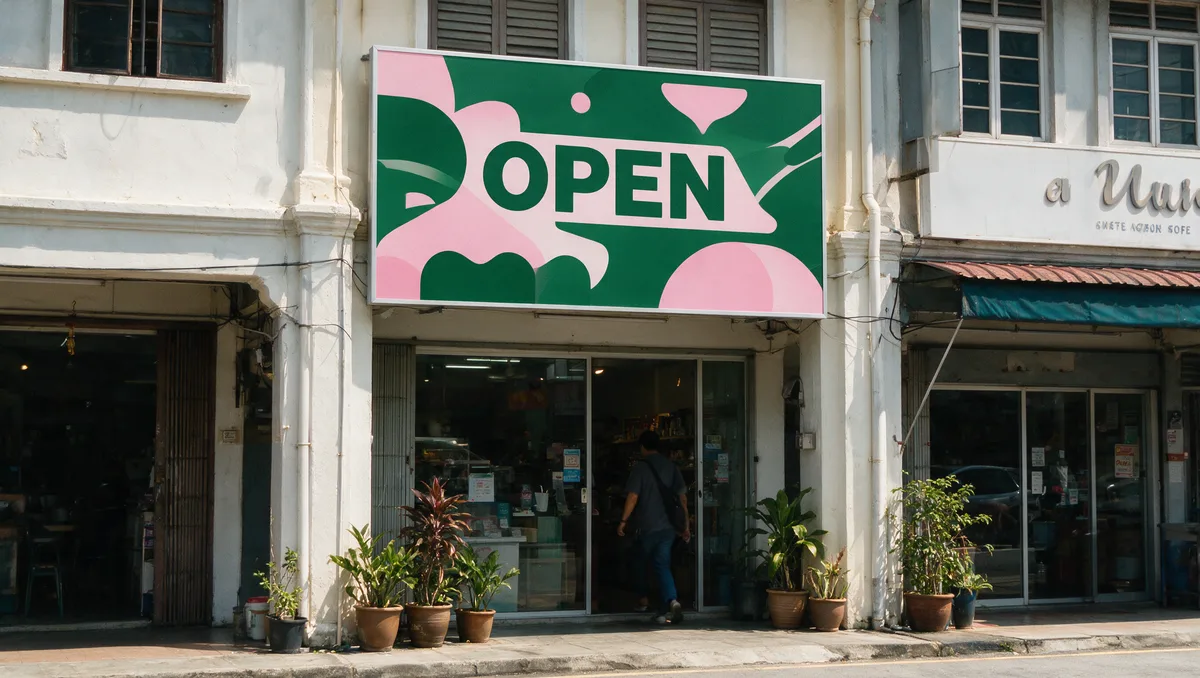
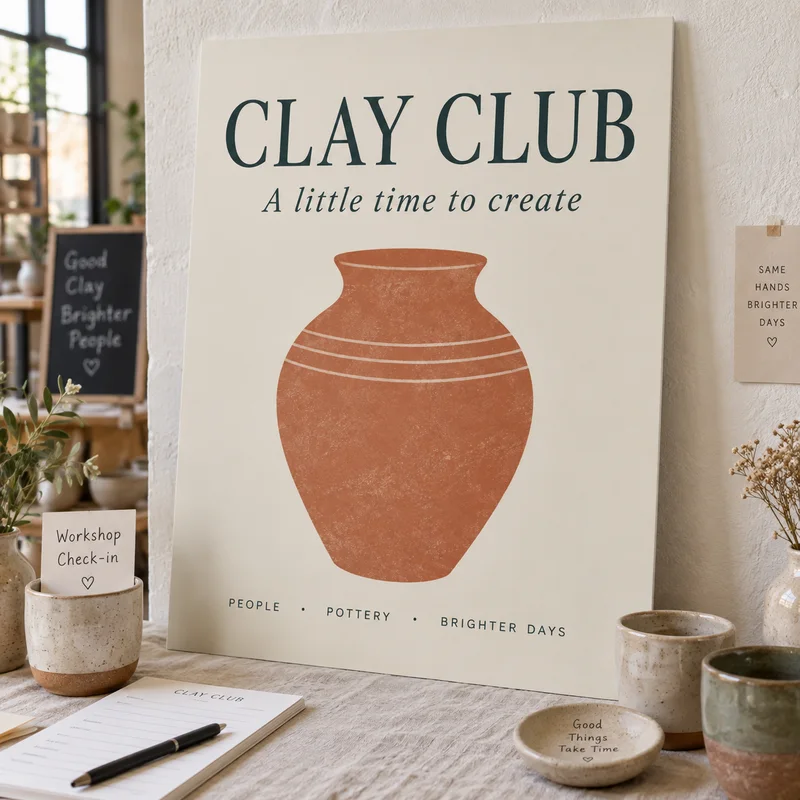
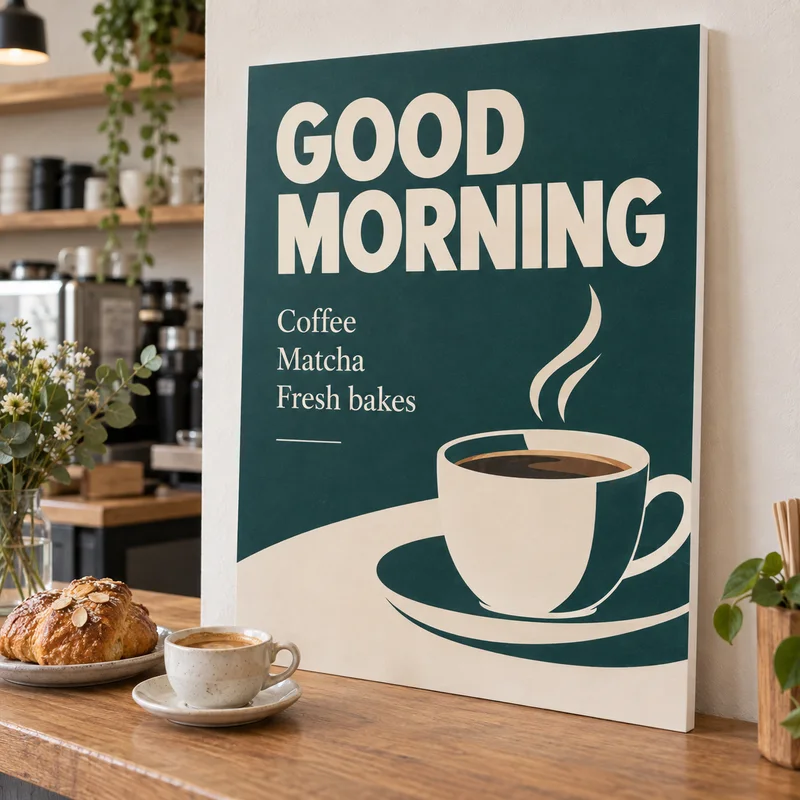
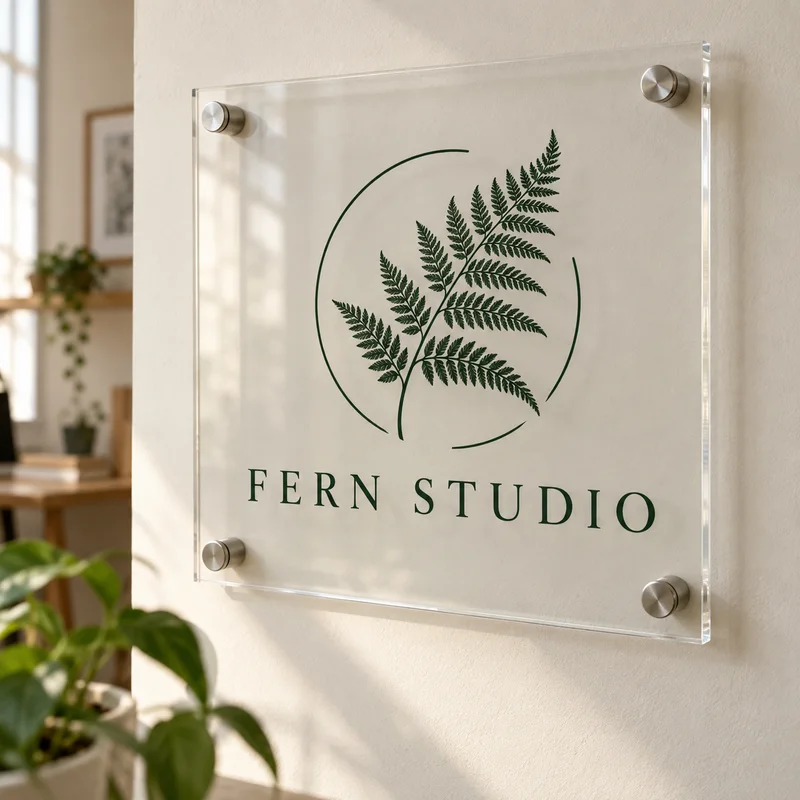






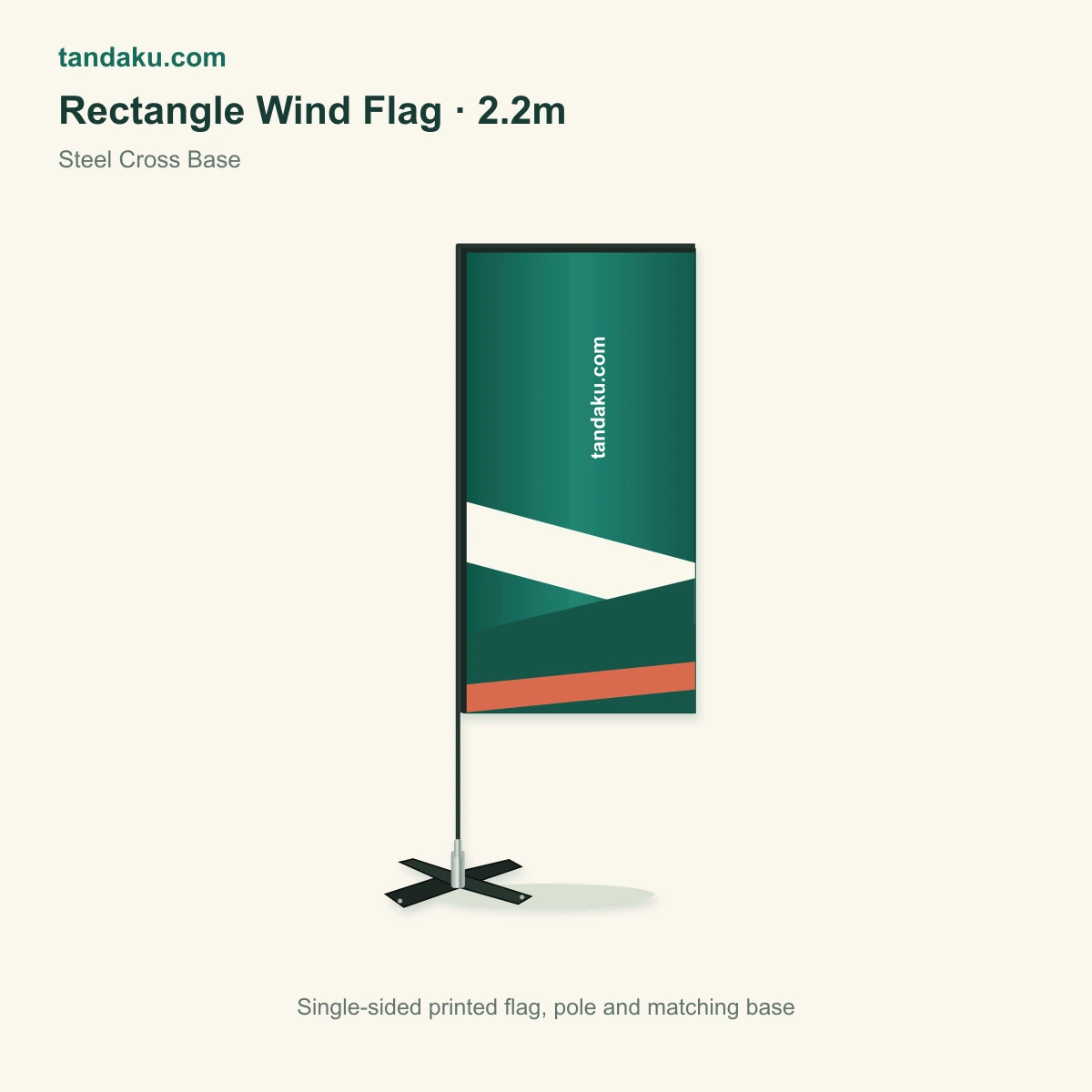
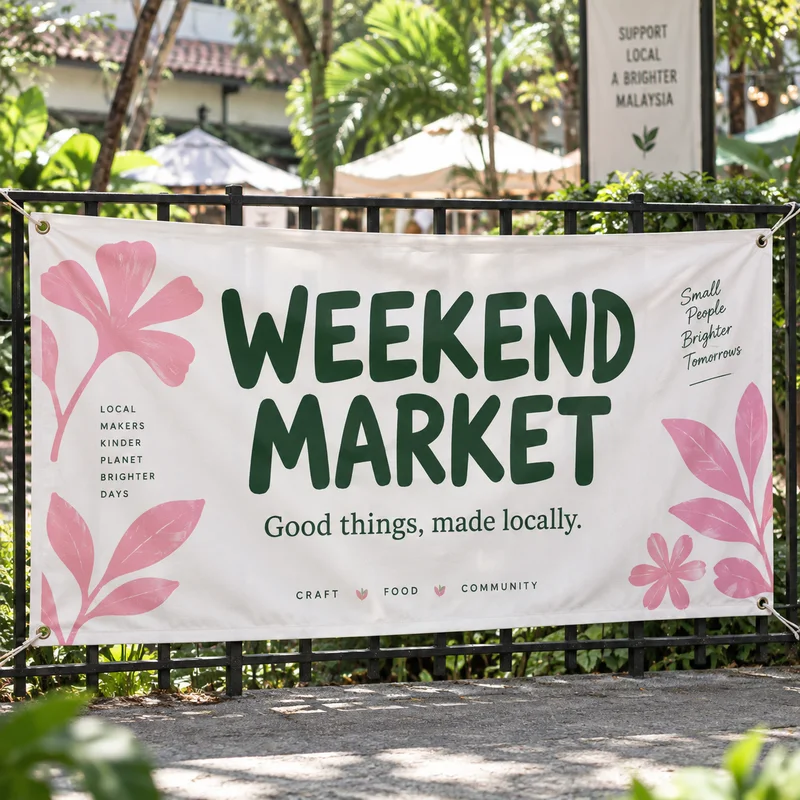
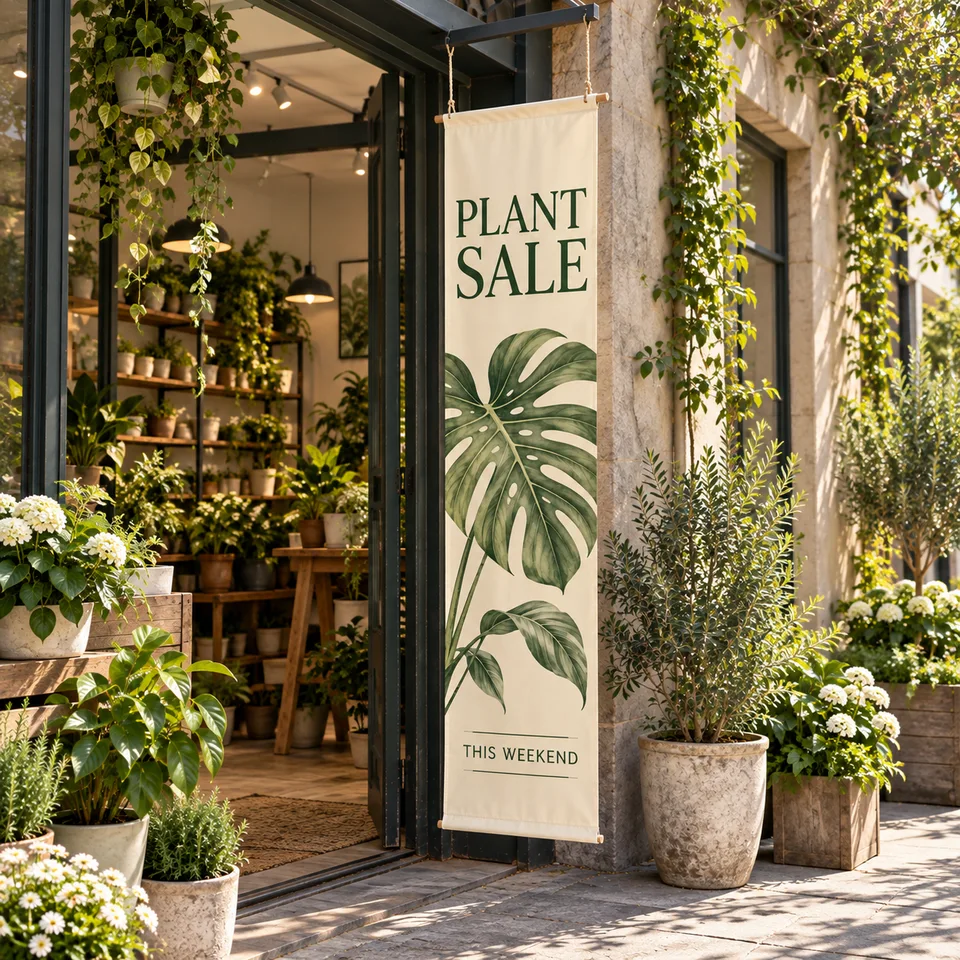
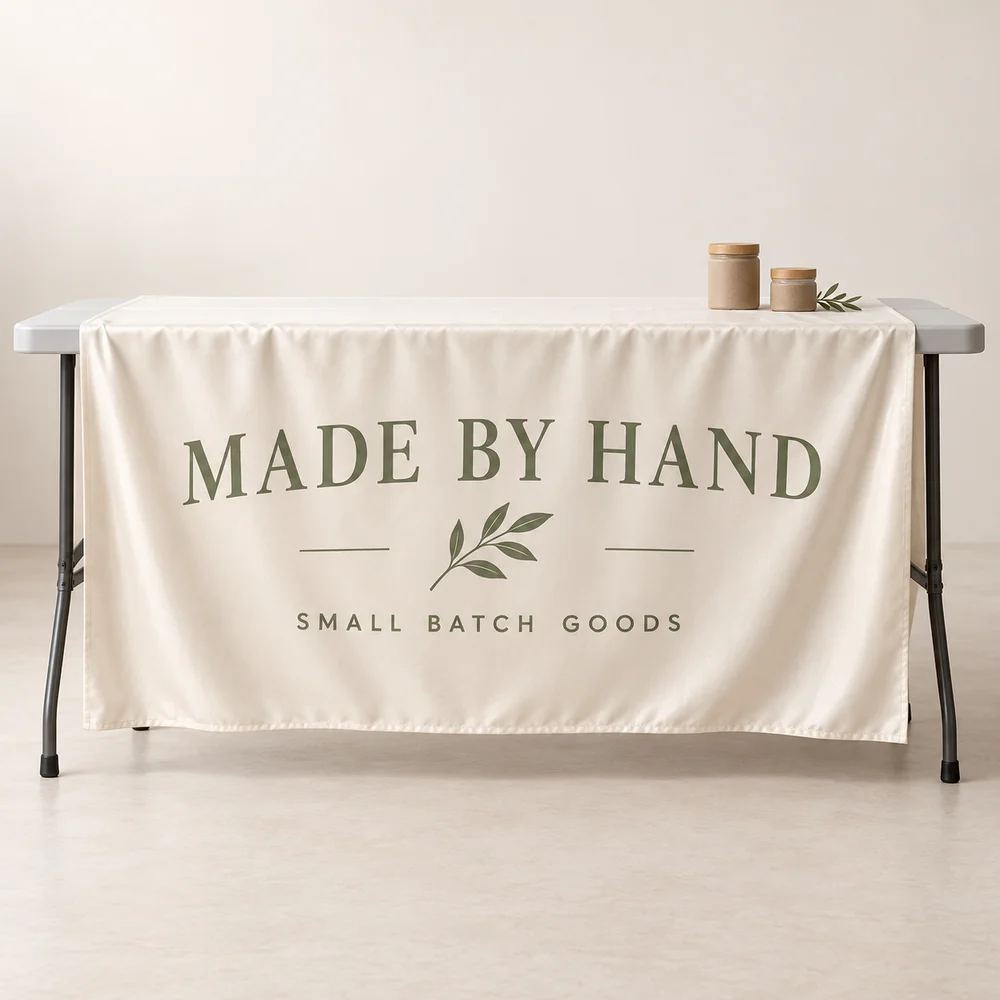





Signage is the broad term for signs that identify a place, give information or direct people; a signboard is a board carrying a message. When ordering, name the physical item you need: a printed panel, a banner face, an adhesive graphic or separate letters. That makes it easier to compare prices and avoid buying a complete board when you only need its printed face.
What is the difference between signage and a signboard?

Signage describes the whole category. A business name above a door, a notice on glass and directions inside an office are all signage, even though they are made differently.
A signboard describes a particular object: a board displaying wording or graphics. On Tandaku's signage page, you choose a rigid board material, enter your size and upload the artwork for printing.
The words overlap in everyday conversation, so neither word alone tells a printer exactly what to make. A request for signage could mean an acrylic panel or individual acrylic letters. These are different products with different ordering choices.
| What you need physically | What to look for | What to confirm |
|---|---|---|
| A rigid panel with your design printed on it | Printed signage board | Material, overall size and mounting choices |
| A flexible graphic for an existing fascia frame | Banner signboard face | Frame measurements and hanging finish |
| An adhesive graphic for an existing panel | Signage sticker | Surface condition and whether light passes through it |
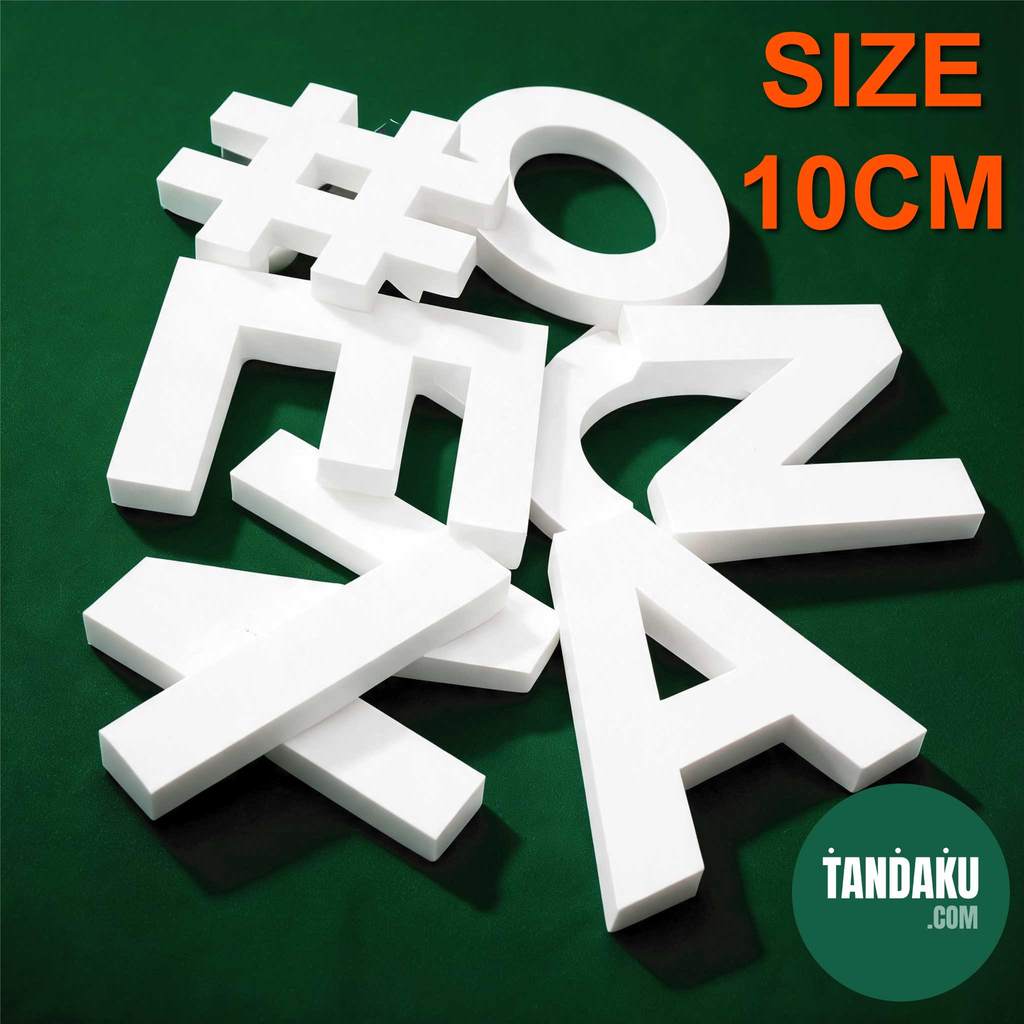
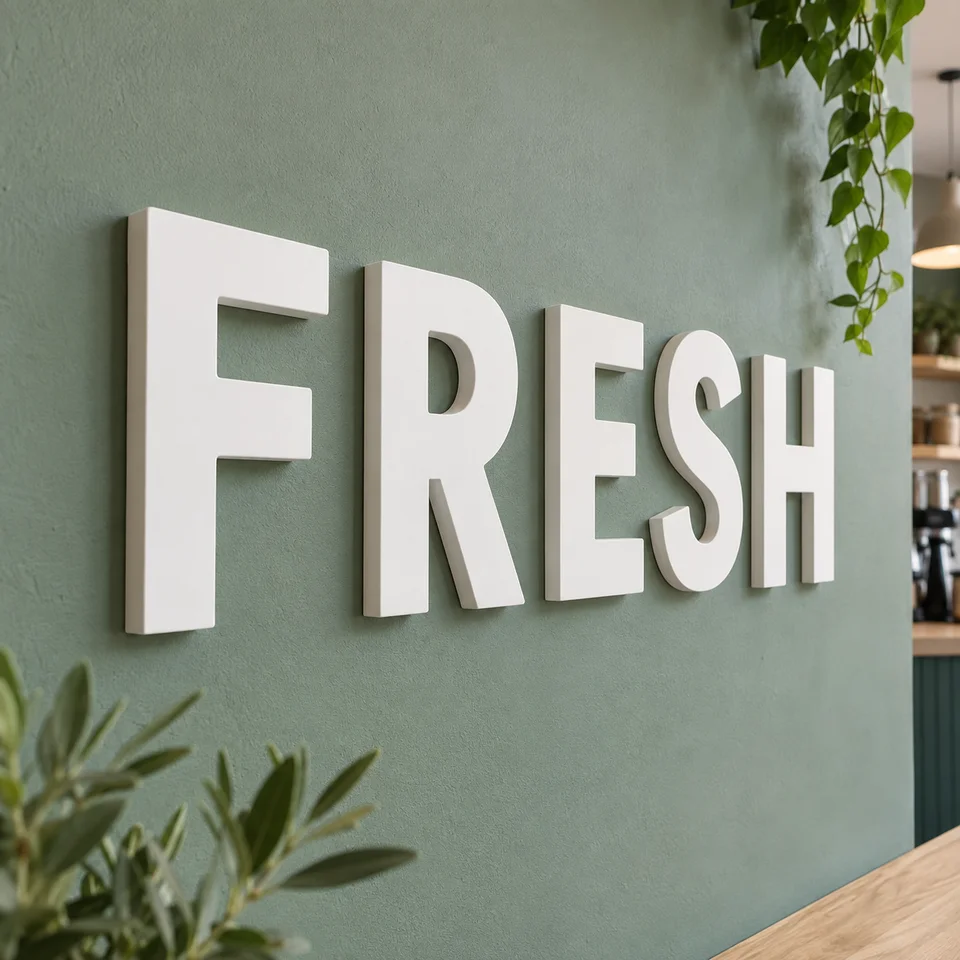
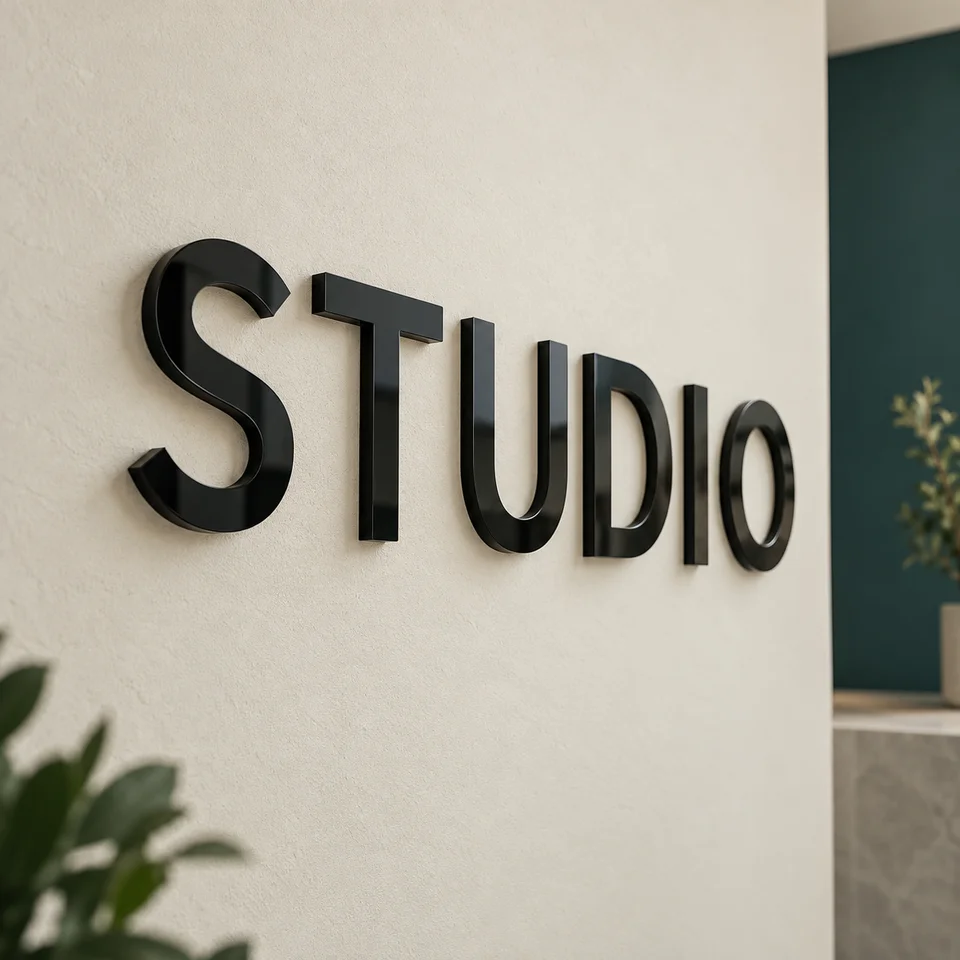
| Separate shapes forming a name or logo | Cut-out letters | Material and overall design dimensions |
| A message displayed on glass | Window sticker | Transparency, privacy and the intended appearance |
Start with the object you want to receive. The general word signage can come afterwards.
When should you order a printed signboard?
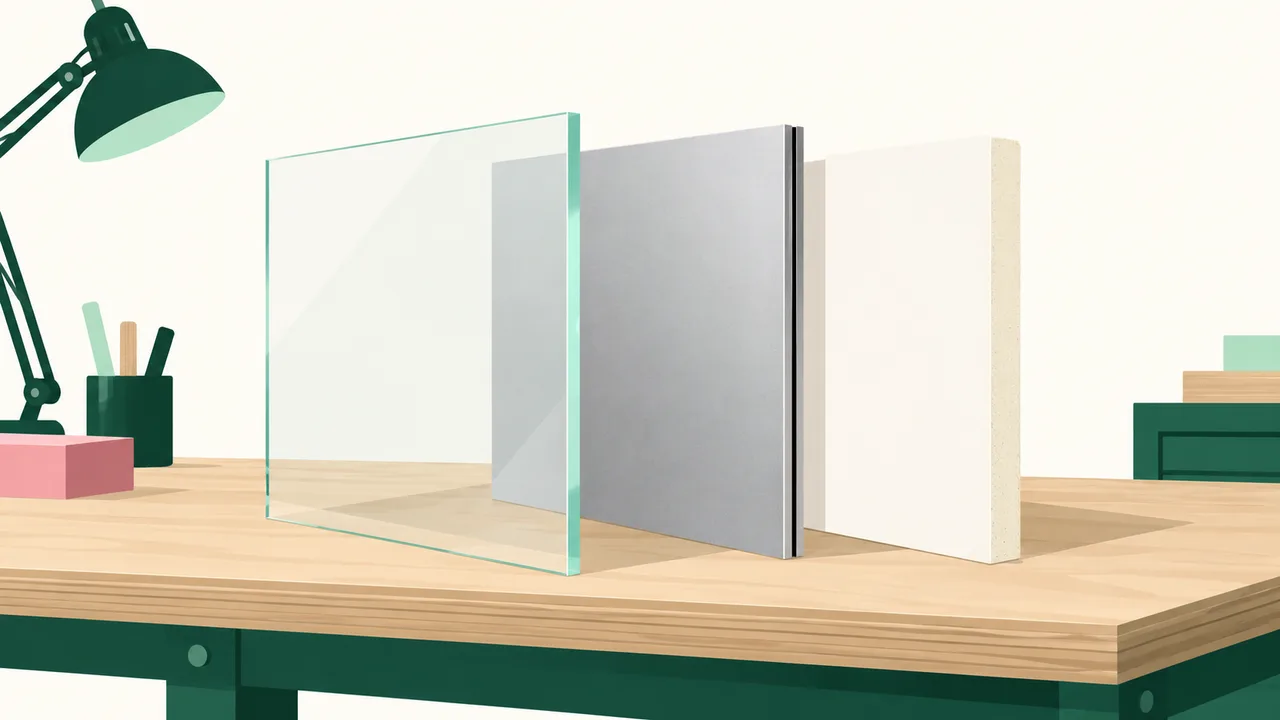
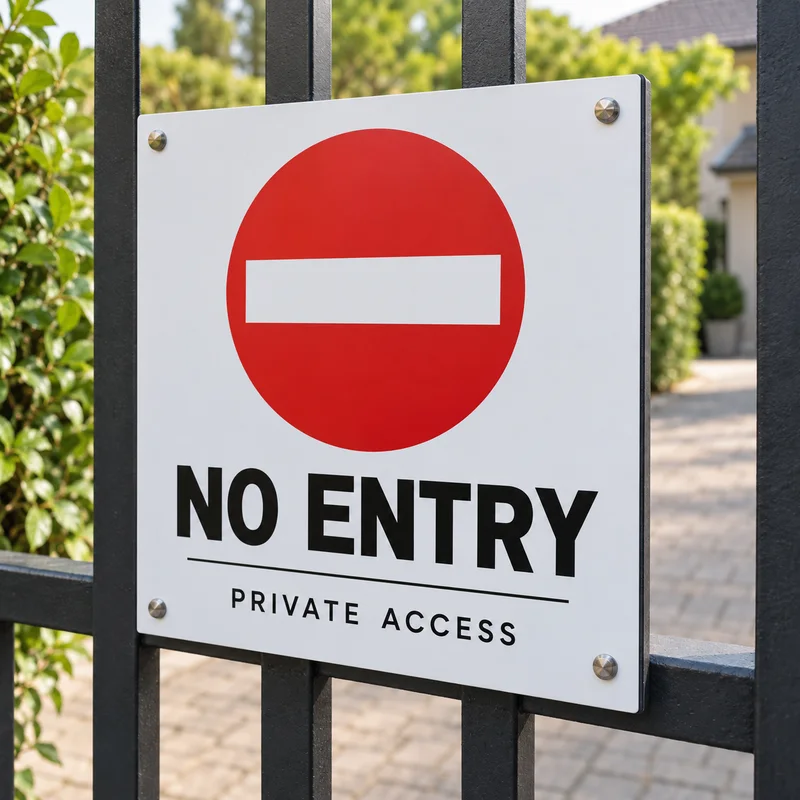
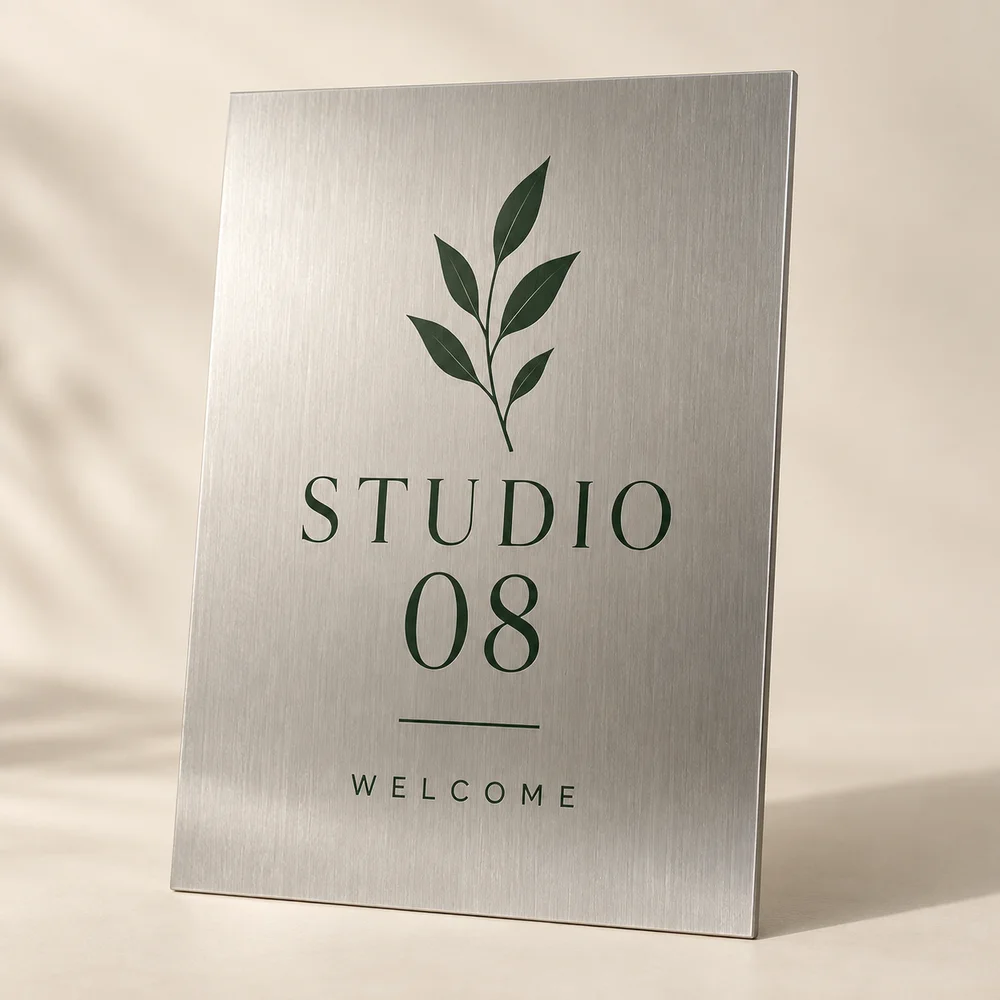
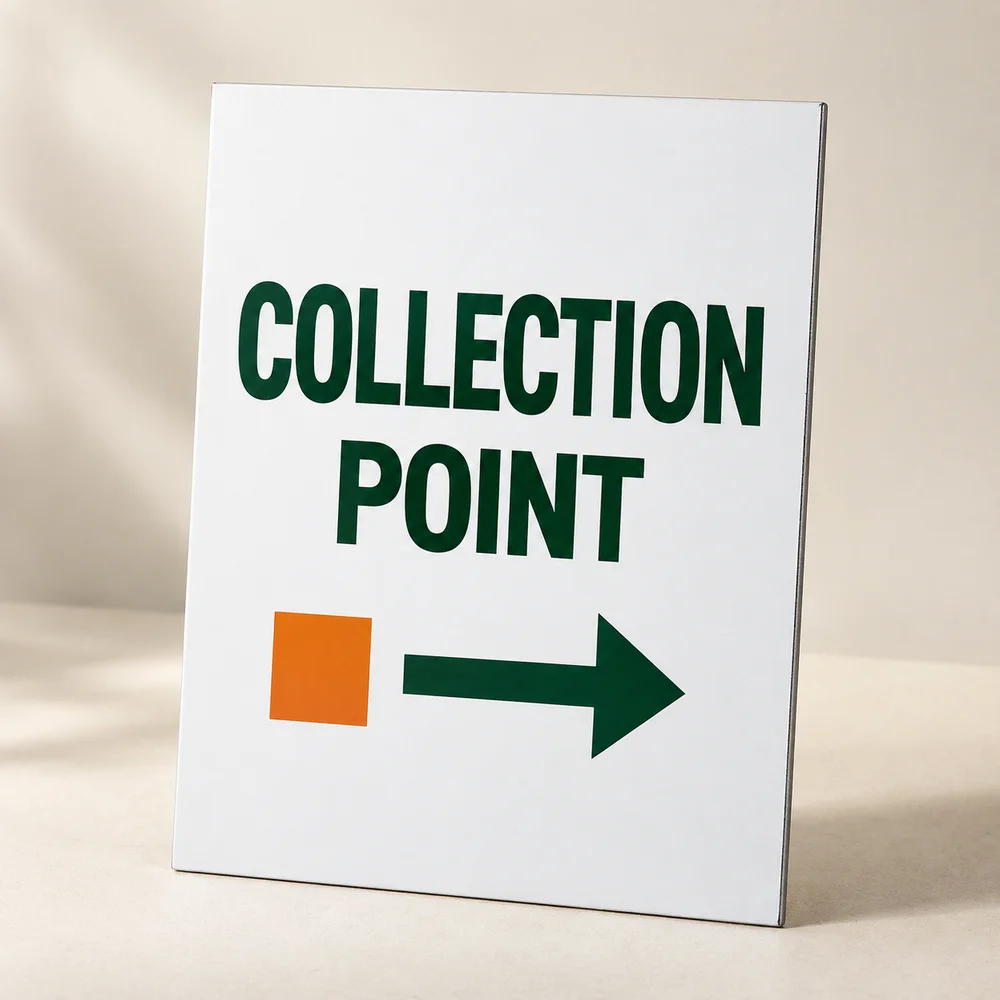
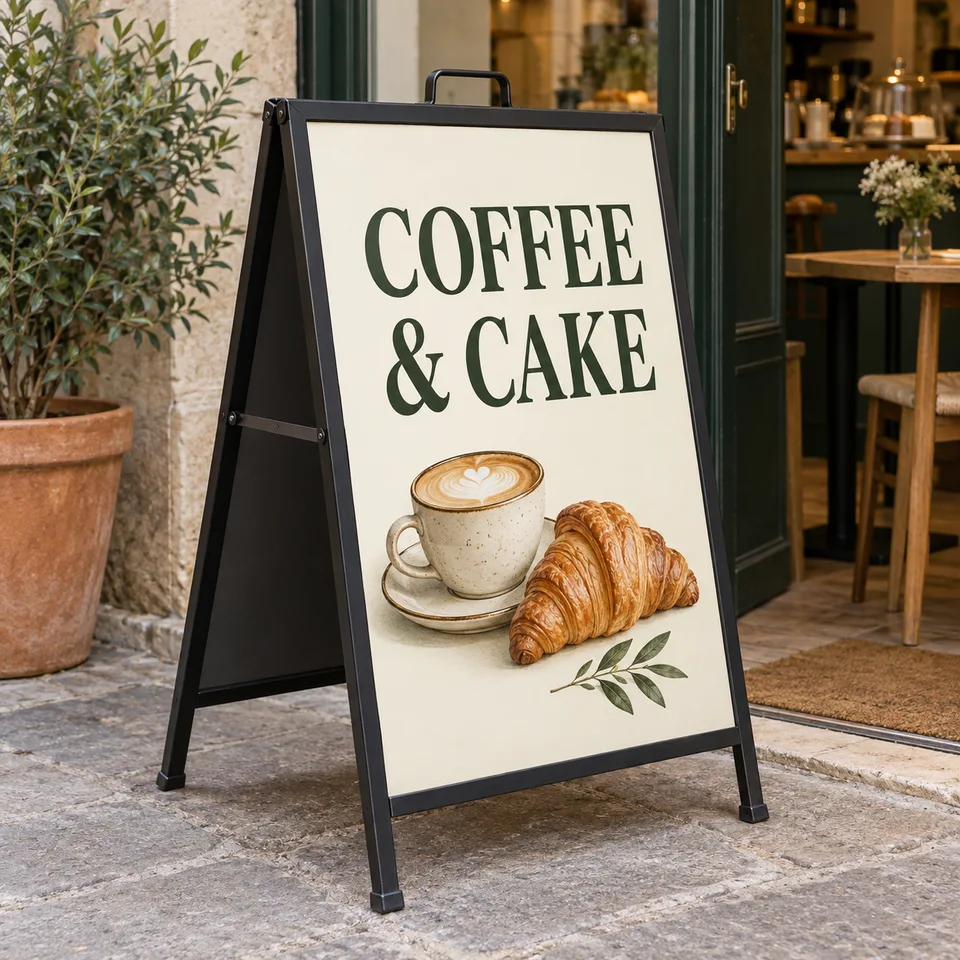
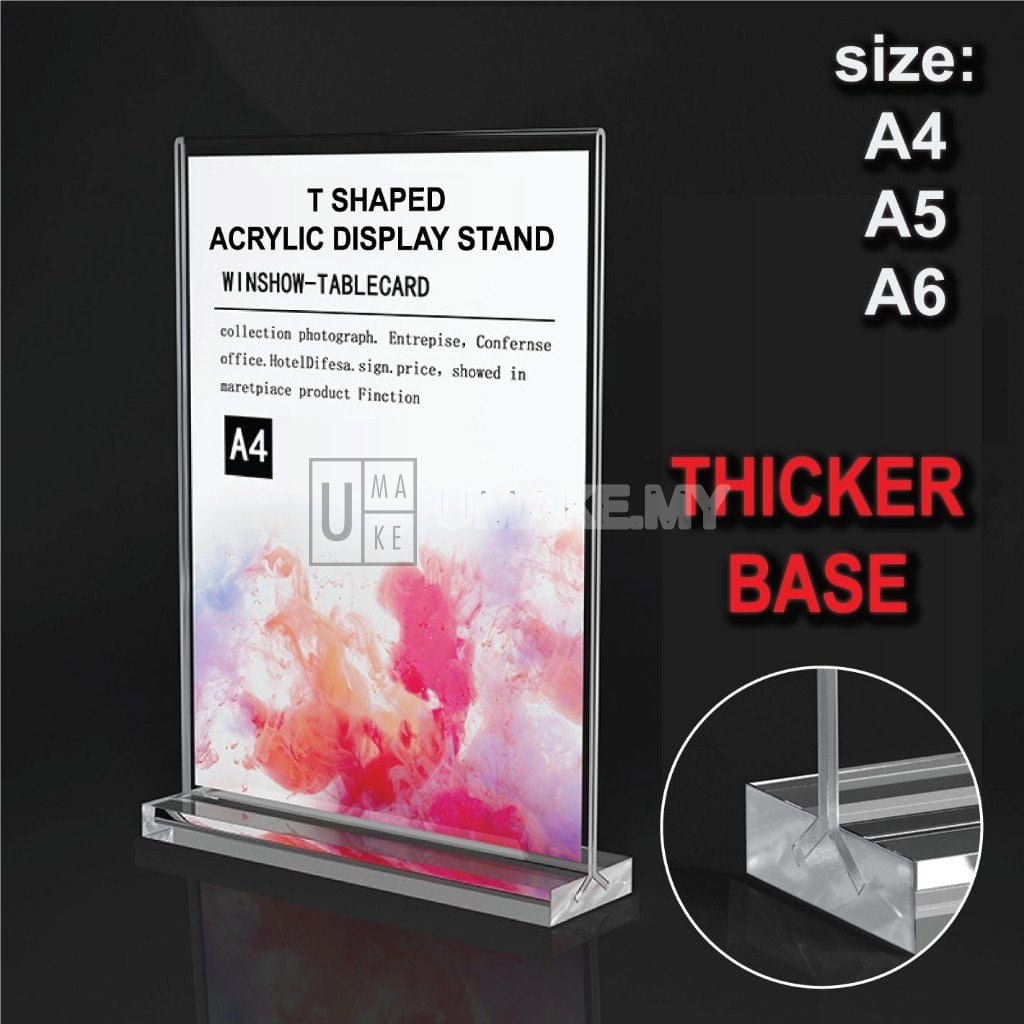
Choose a printed board when you need the panel itself as well as the graphic. Examples include a reception panel, a door sign or a rigid notice for a wall.
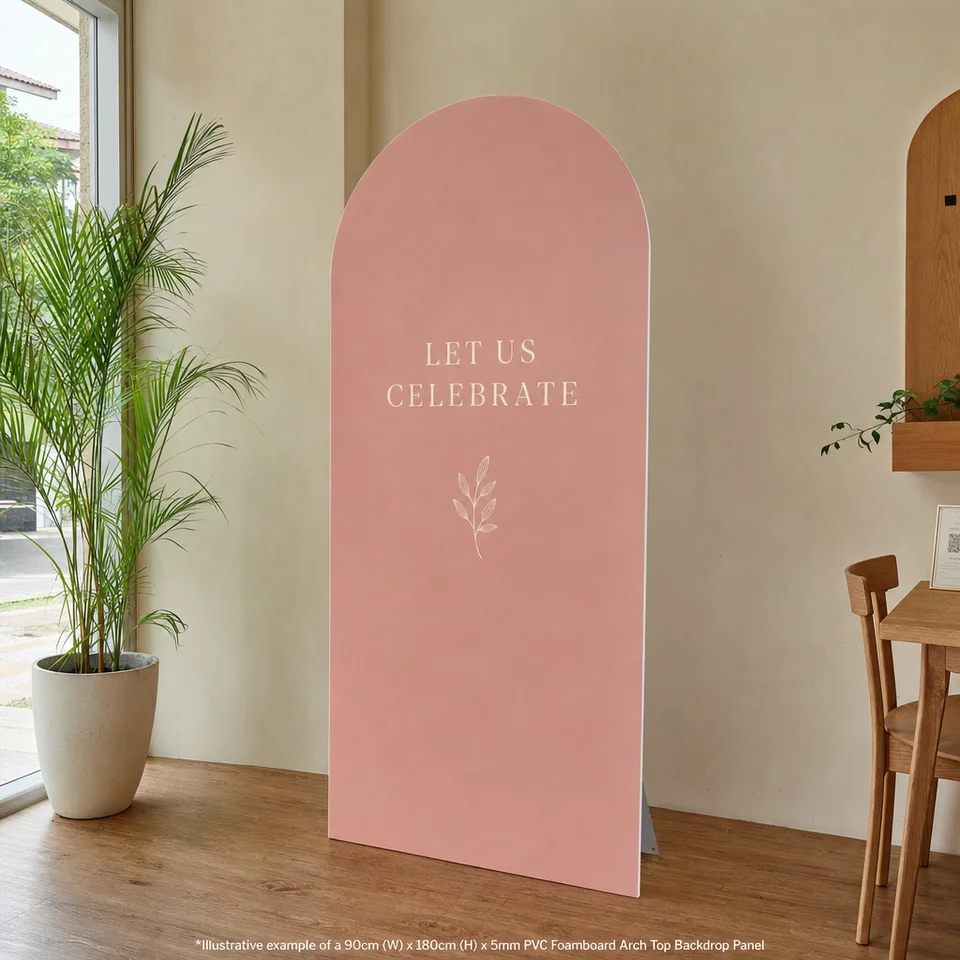
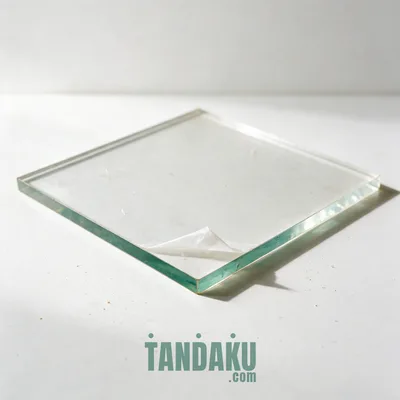
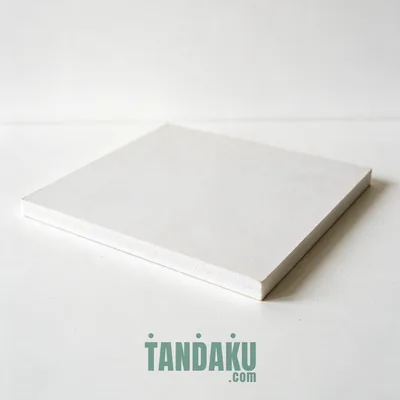
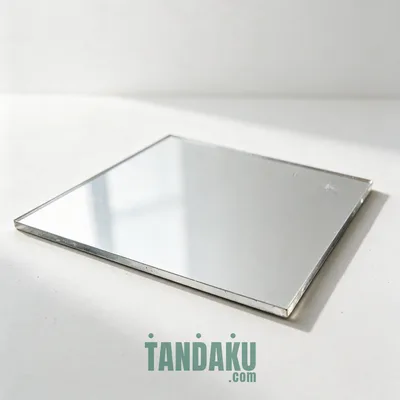
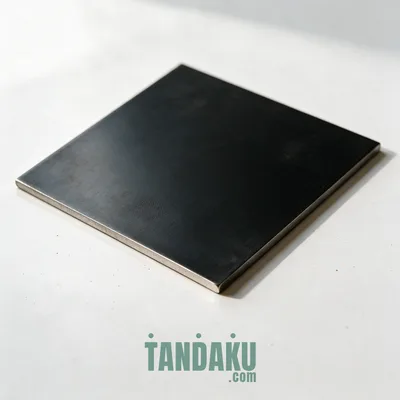
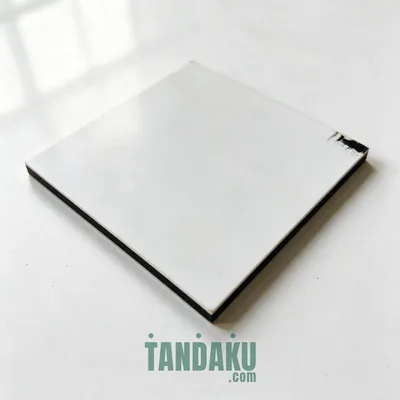
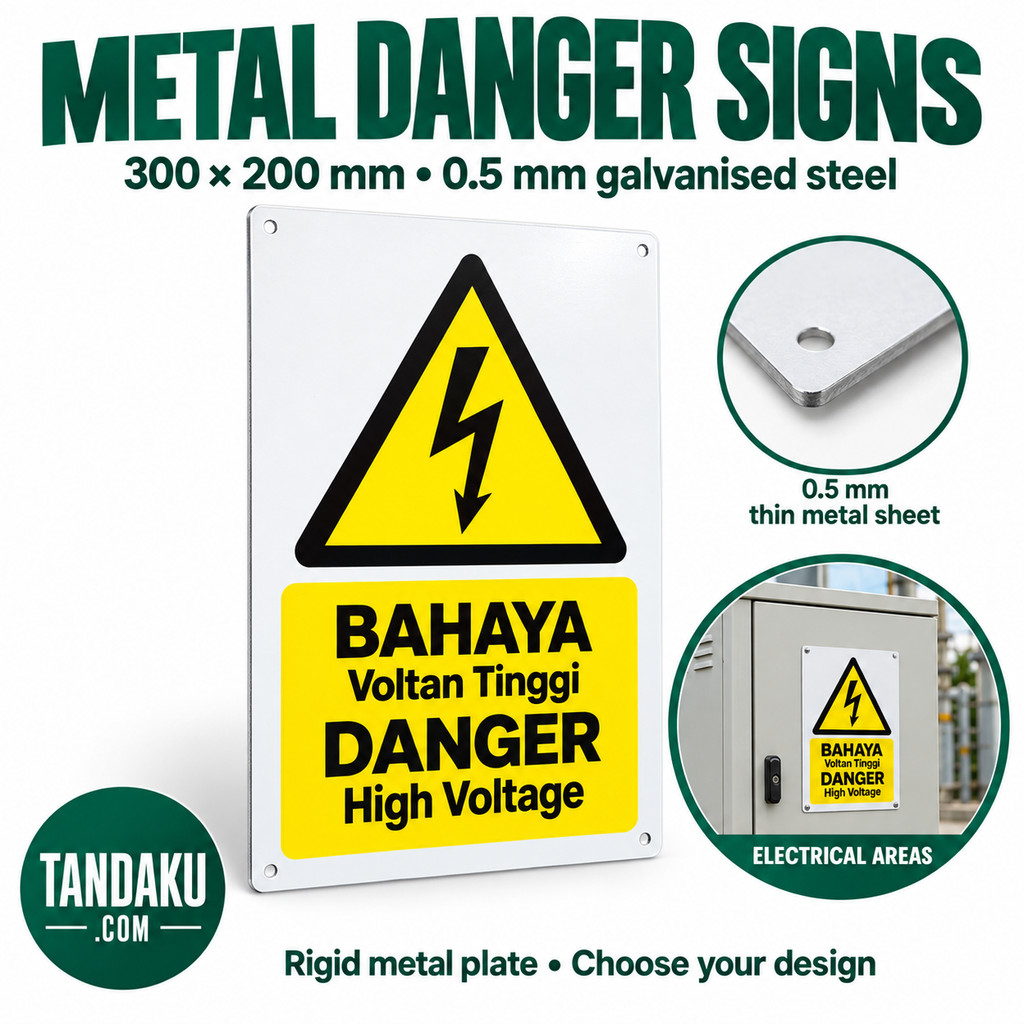
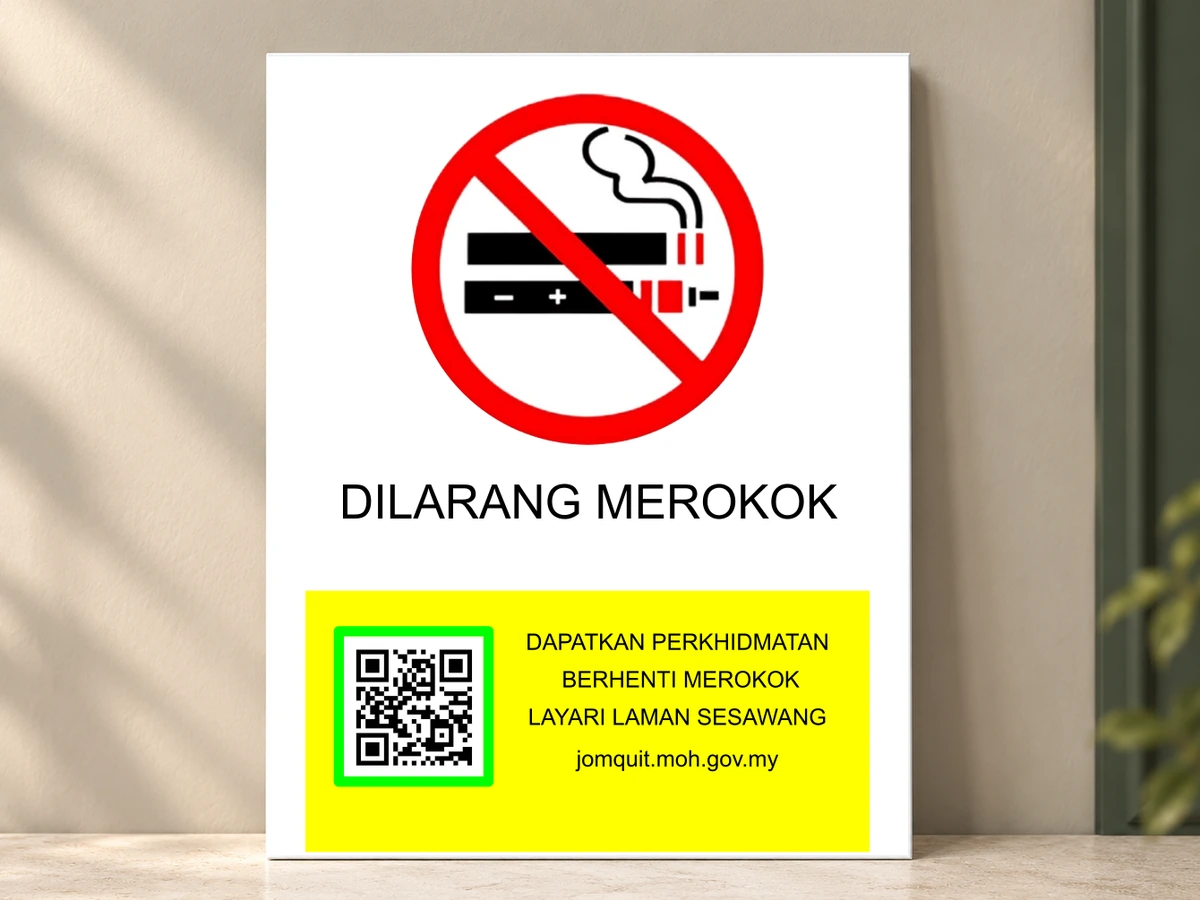
Tandaku offers printed boards in materials including acrylic, ACP, PVC foamboard, PP hollow board and KT board. The right choice depends on where the panel will go and the finish you need.
For a short indoor event, a lightweight KT board may be enough. Paying for glossy acrylic makes more sense when its appearance matters, such as a reception display viewed close up. ACP is a rigid, weatherproof option for outdoor and shopfront signage.
You do not need acrylic simply because you need a sign. Compare the job first, then the material. The acrylic, ACP and KT board comparison explains those choices in more detail.
If you already own a suitable board, pause before ordering another panel. You may be looking for a new graphic instead.
When is a replacement face enough?
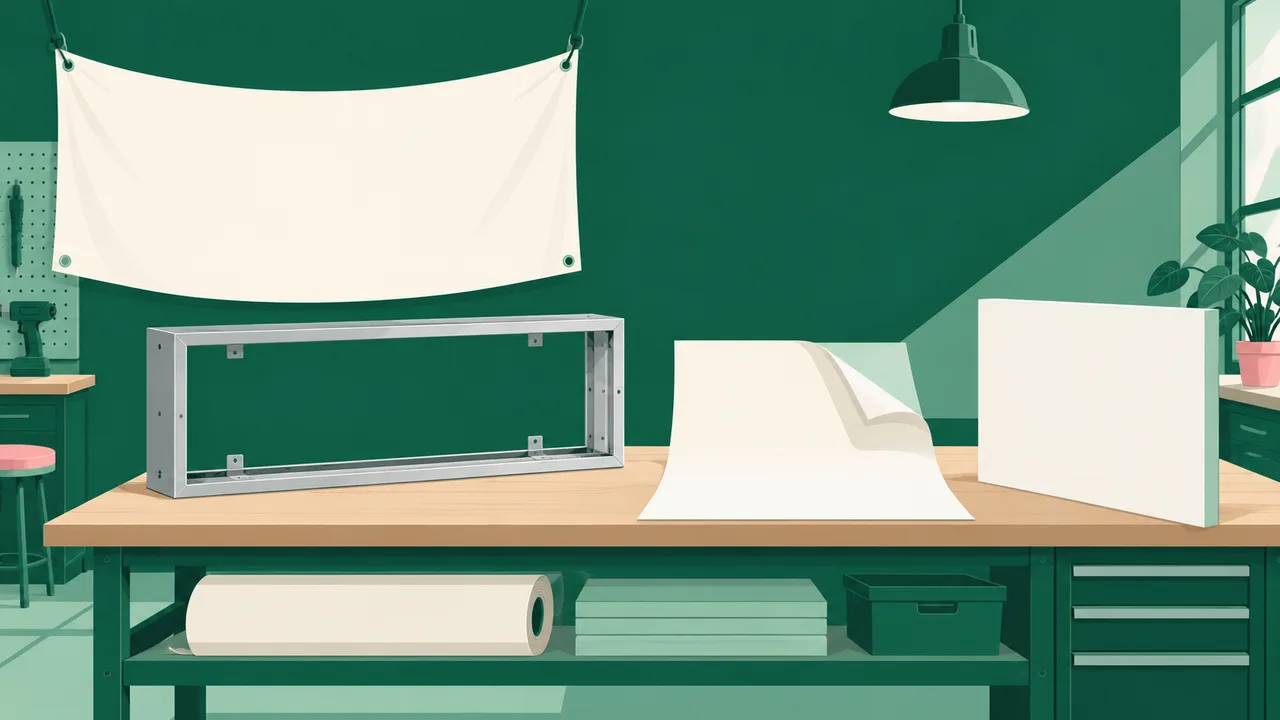
A signboard can have a support structure and a separate printed face. If the support is suitable for reuse, replacing the graphic may avoid buying parts you already have.
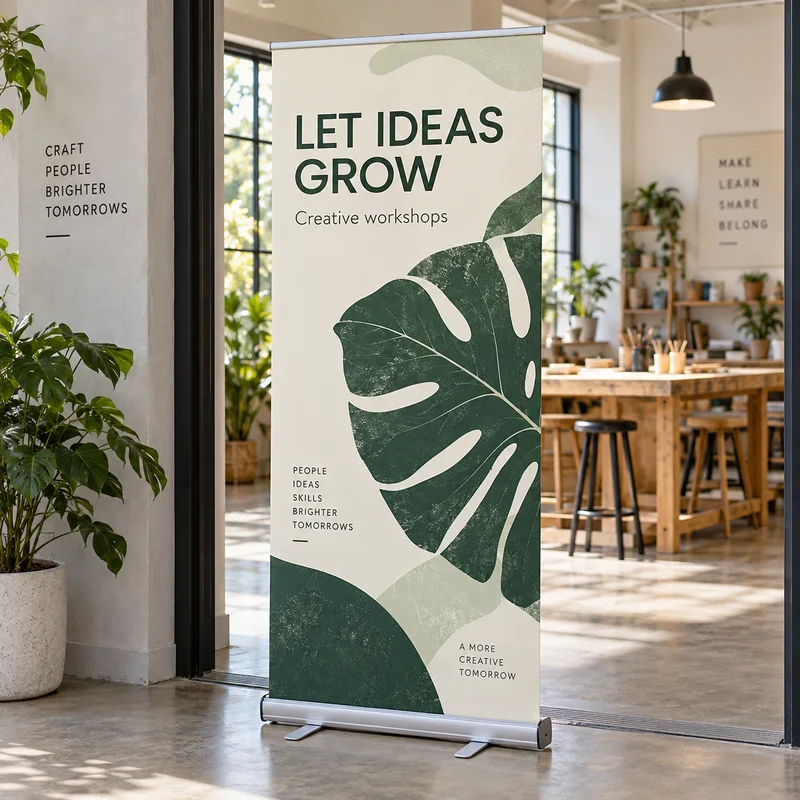
For an existing banner frame, look at a banner signboard face. This is flexible printed material finished for hanging or attaching to a frame. It is different from a rigid board, so measure the frame and confirm how the face will attach before selecting the finish.
For an existing flat panel, a signage sticker may be the relevant product. The condition and suitability of the surface still need checking; a fresh graphic does not repair a damaged panel.
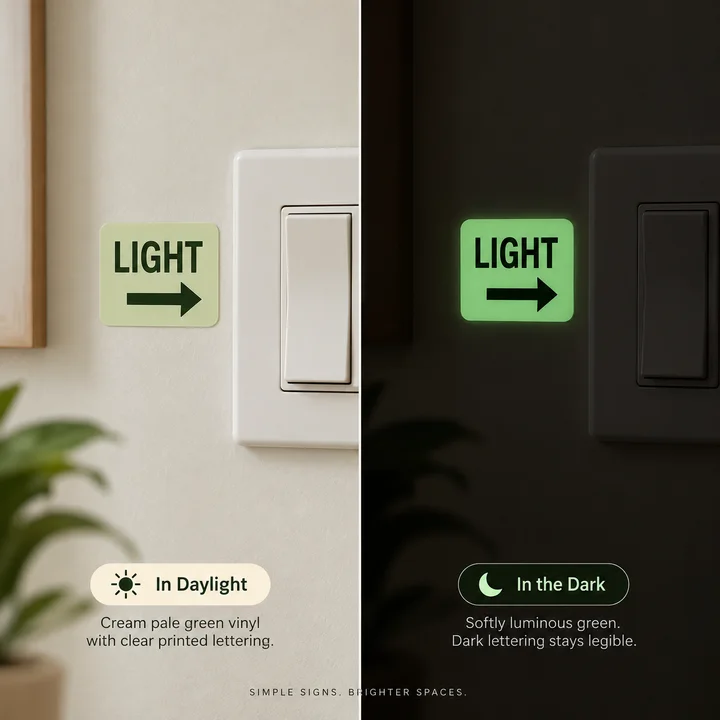
Lighting also changes the choice. White high-opaque sticker blocks light and suits a flat fascia or a sign lit from the front. Backlit sticker is translucent and intended for illumination from behind. Choosing only by the word sticker can leave you with the wrong material for the sign.
Do not assume an old frame or panel is reusable because it is already there. Have its condition checked before ordering a replacement face.
When are letters or window graphics a better fit?
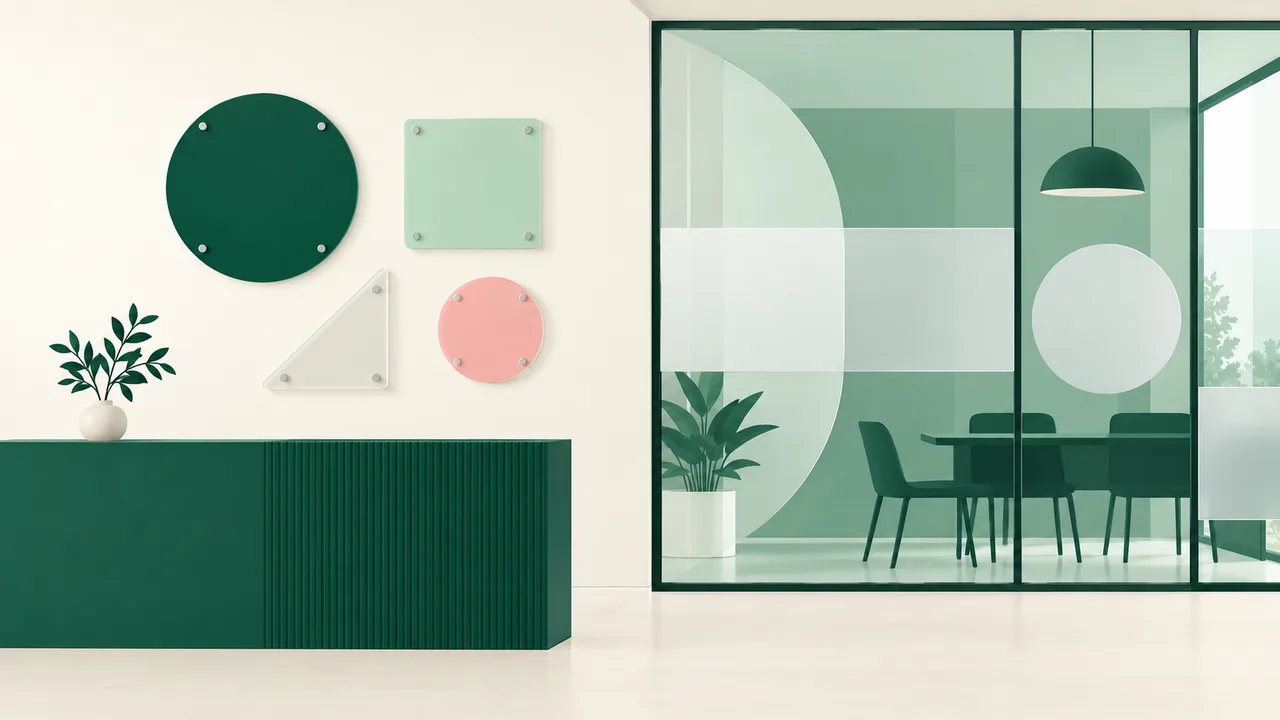
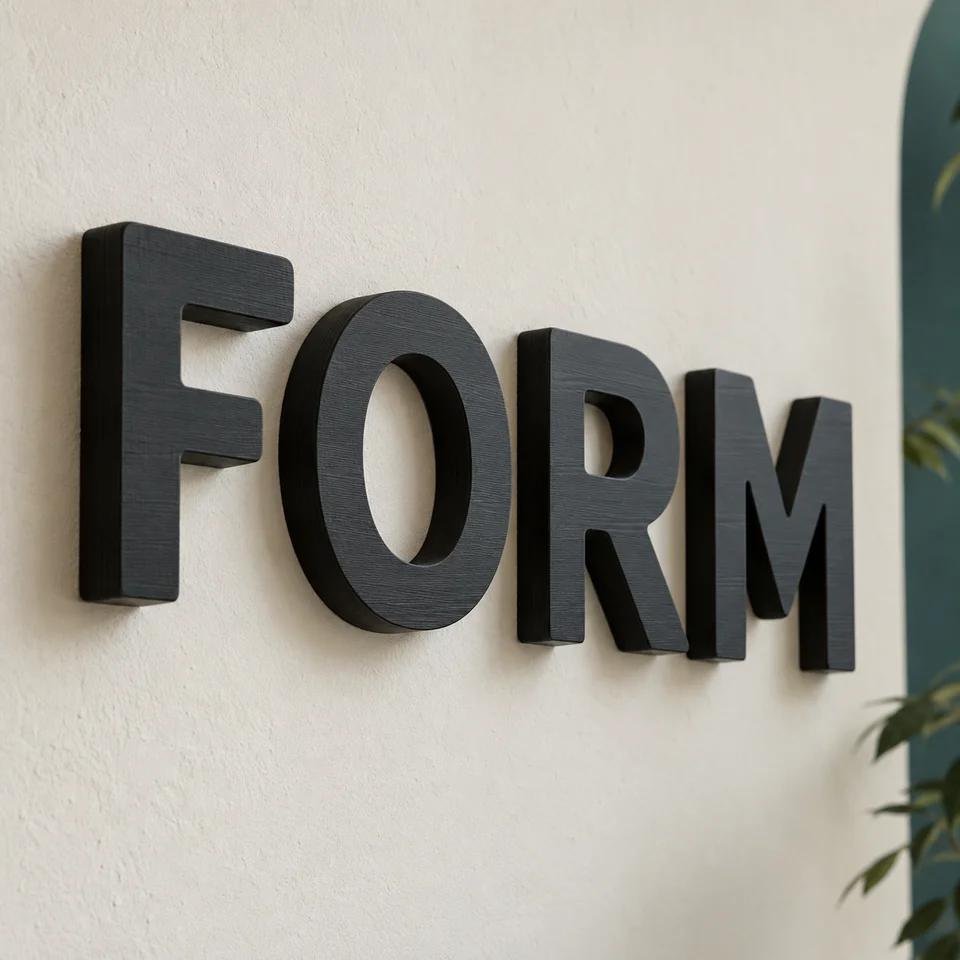
Choose separate letters when you want the business name or logo to sit as individual shapes on a wall. A printed acrylic board gives you a continuous panel; acrylic letters give you separate cut shapes. An example photograph can help explain which appearance you mean, but the product choice should say it clearly too.
The guide to sign letter types and fonts explains the difference between flat-cut and fabricated lettering. Use that when the shape and depth of the letters are the main feature of the job.
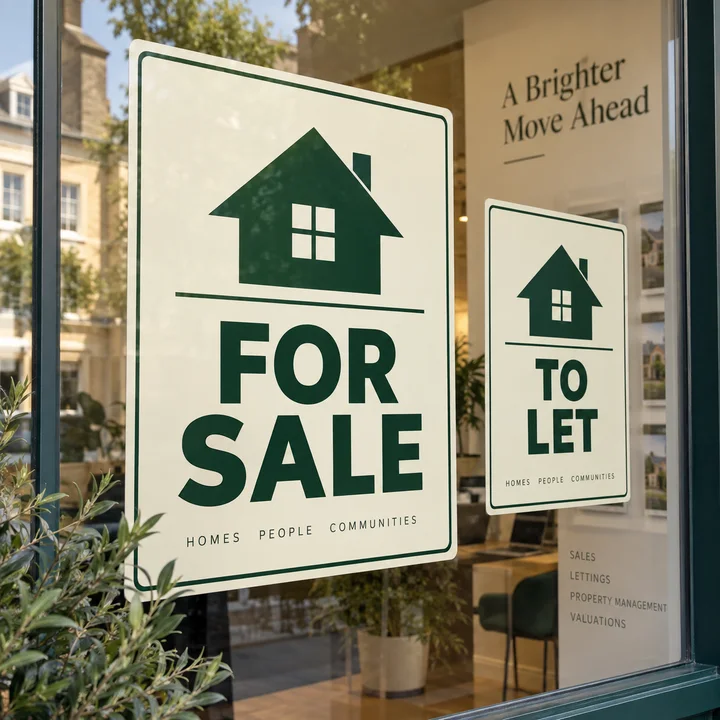
If the message belongs on glass, consider window graphics. Clear film keeps unprinted areas transparent, while opaque graphics cover the view behind them. Frosted film is another option when privacy is part of the purpose.
For a temporary promotion, a hanging banner may be enough. A rigid panel or dimensional lettering is worth considering when you need that particular construction or appearance, rather than simply a place to put a message.
What are you paying for when you order a signboard?
Compare the same physical product at the same size. A printed panel, a sticker face and a set of letters are not interchangeable price comparisons.
These published examples are for a single printed board measuring 2 × 4 ft, with a plain rectangular cut, before finishing options and delivery.
| Printed board material | Price at 2 × 4 ft |
|---|---|
| PP Hollow Board 4mm | RM40.04 |
| KT Board 5mm | RM48.08 |
| PVC Foamboard 5mm | RM72.11 |
| ACP Board 3mm | RM96.15 |
| Acrylic Board 3mm | RM160.23 |
These examples show why asking only for a signboard price can produce an unhelpful answer. The material changes the price even when the dimensions stay the same.
Use the signage board page to enter your actual dimensions and compare the available materials. The exact price appears as you enter the size; finishing choices and delivery are separate.
Does ordering a signboard include installation?
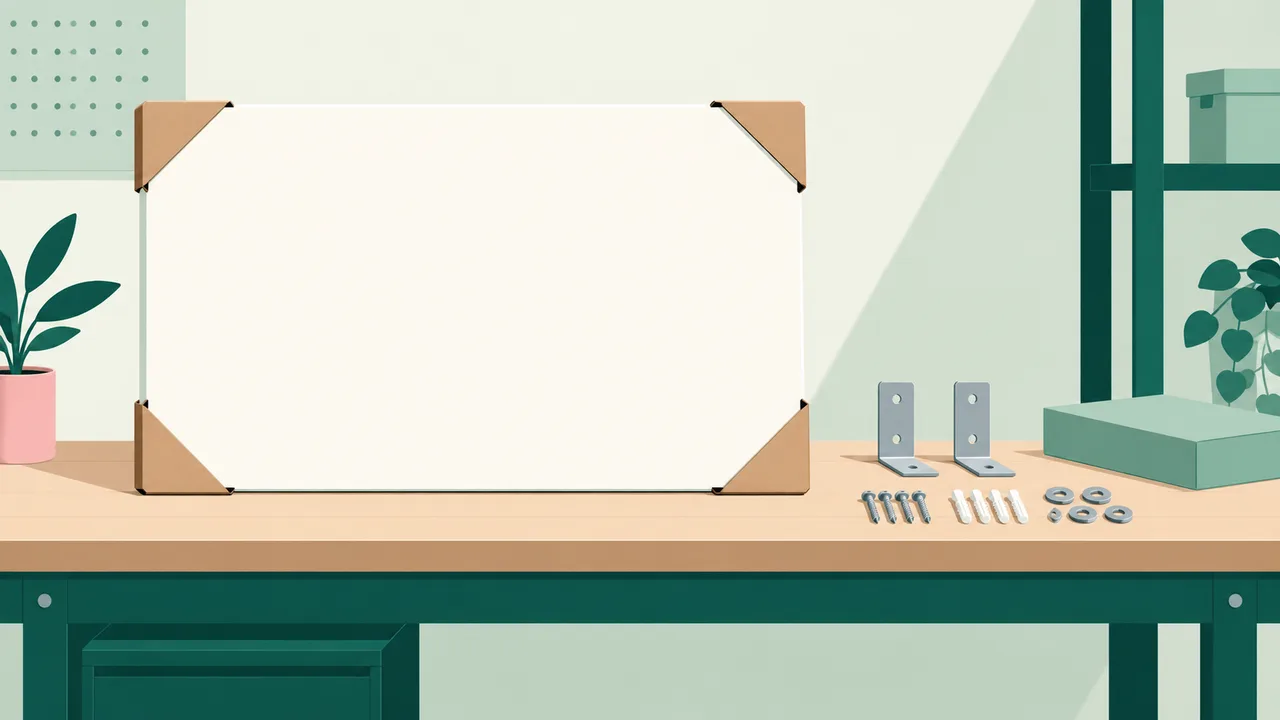
Tandaku is online printing and signage supply only. Ordering a printed sign does not book someone to fit it to your building.
If your job needs installation, choose a service that handles the complete job, including its printing. Use Tandaku's supply-only ordering flow when you explicitly choose to handle installation separately.
This distinction matters before choosing mounting options or paying for a panel. The person handling installation needs to establish how the sign will be supported and whether the proposed construction suits the location.
For a supply-only order, confirm the physical item, its dimensions and the required finishing before checkout. Measure the available space rather than copying a size from an unrelated photograph. The signboard size guide can help you think through the space and viewing position.
FAQ
What is signage?
Signage means signs used to identify places, communicate information or guide people. It includes printed boards, window graphics, banners and separate lettering.
What is a signboard?
A signboard is a board carrying a message or design. For a printed board order, specify the material and dimensions as well as the artwork.
What is the difference between signage and signboard?
Signage is the wider category, while a signboard is a particular type of sign. When buying, describe the physical item you need so the price covers the right product.
How much is a signboard?
A 2 × 4 ft printed signboard in ACP Board 3mm is RM96.15 for a single piece with a plain rectangular cut, before finishing options and delivery. Enter your own size on the signage page to see the exact price for your chosen material.
What is the difference between a signboard and a billboard?
A signboard commonly identifies a business or carries information at a premises, while a billboard is a large advertising display. For billboard work, distinguish the printed graphic from the advertising location: ordering a print does not book advertising space.