





A useful signboard brief explains what the sign must do, where it will go and how it will be supported. That information helps you compare materials and prices without accidentally comparing a printed panel with a complete installed sign. Use the six examples below, then copy the brief at the end into your order notes.
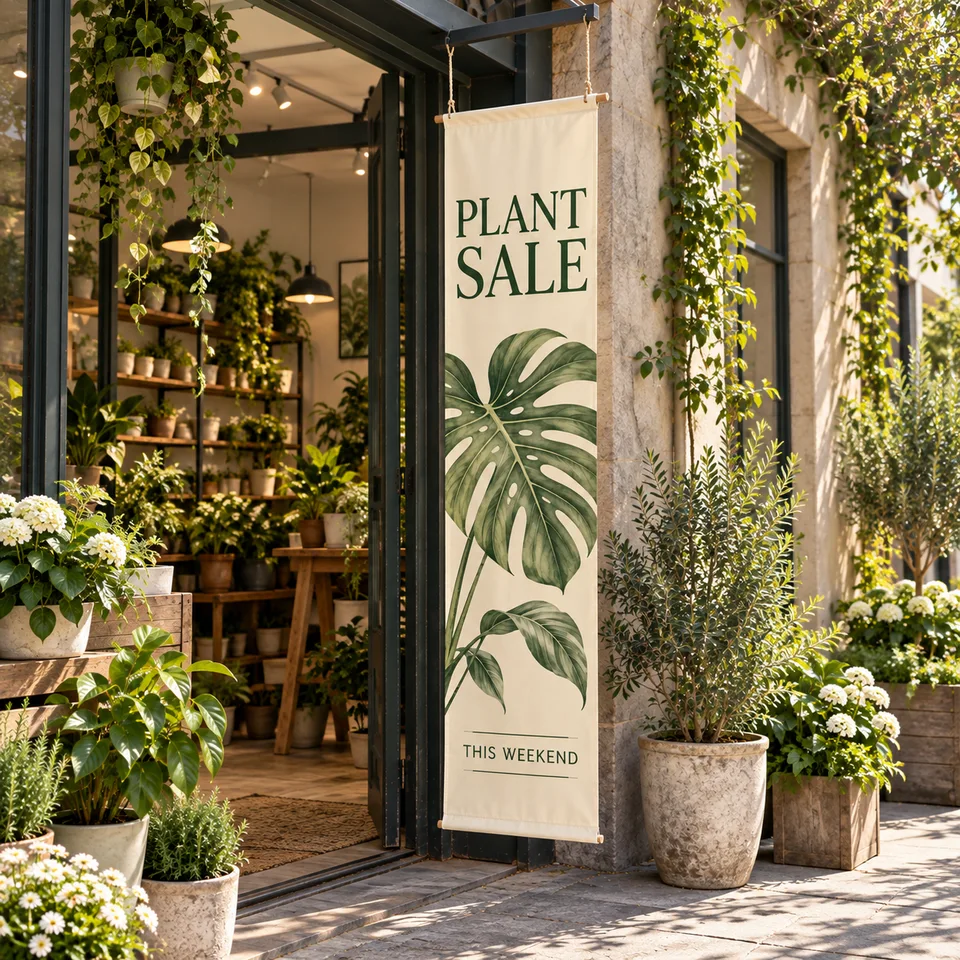
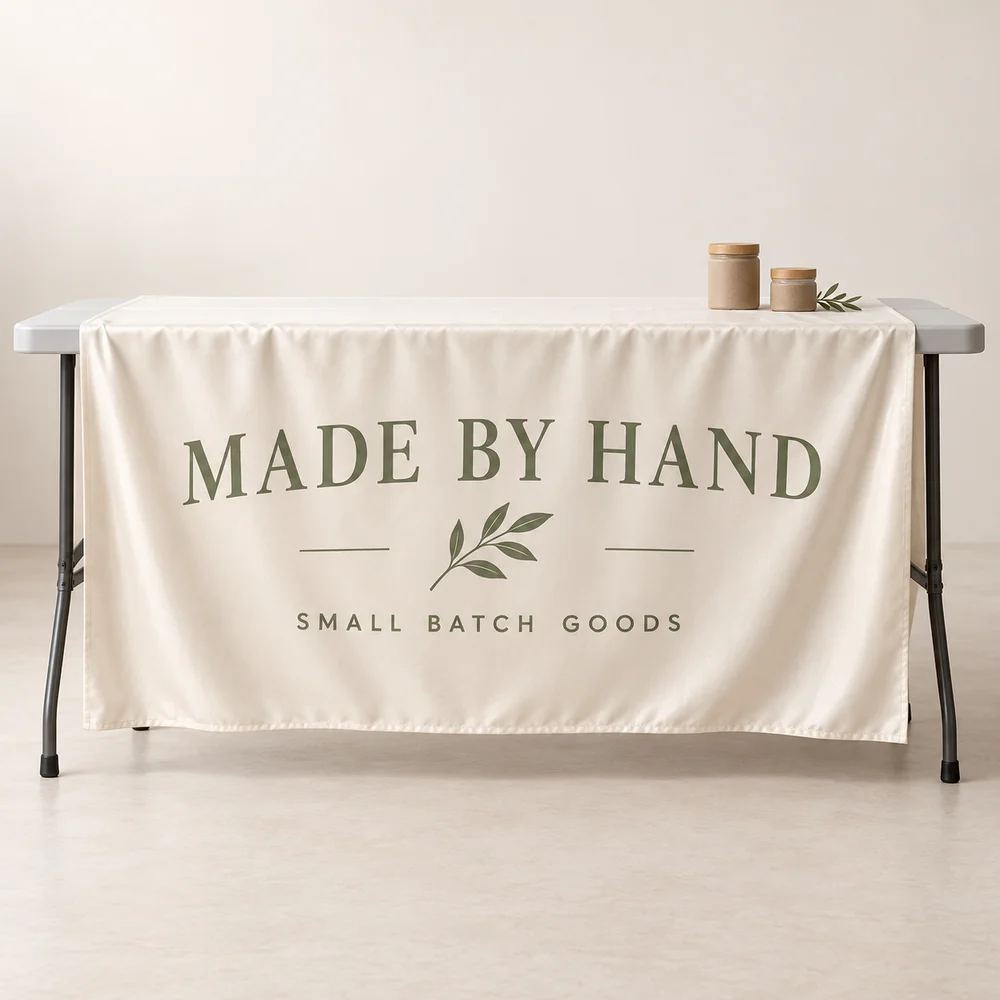
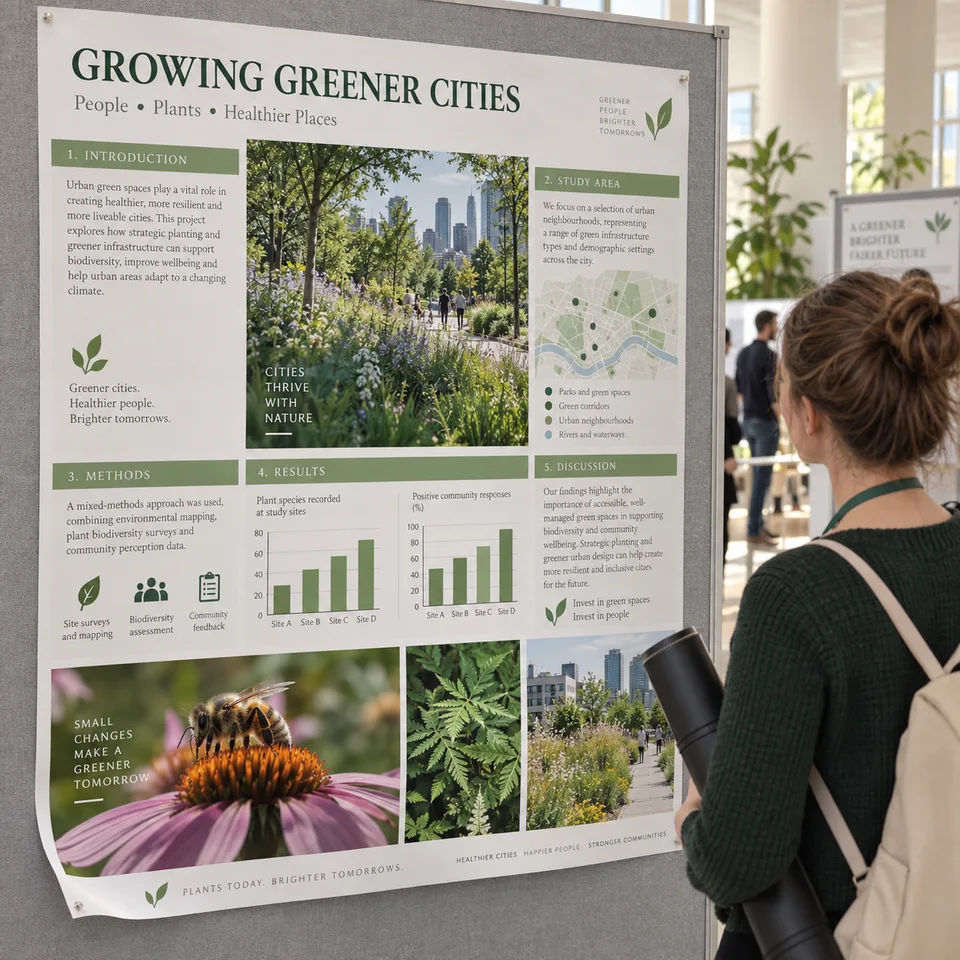
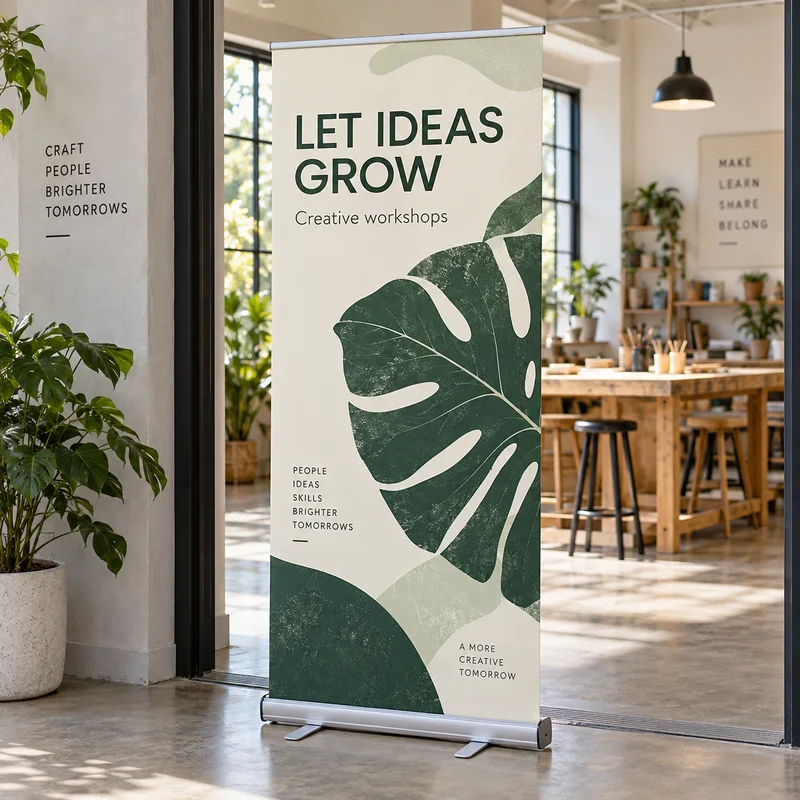
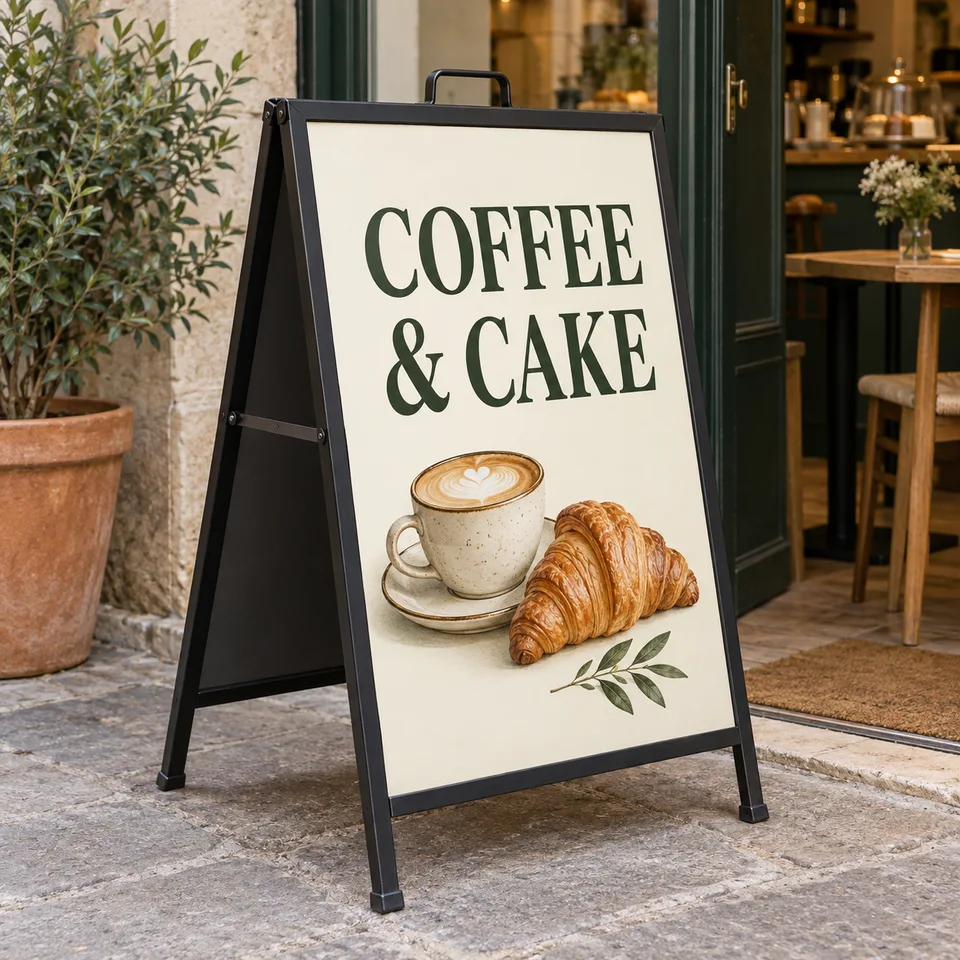
Start with our signboard printing page to compare the available boards. The reference images are illustrative Tandaku catalog examples, not completed customer projects. Props, stands and mounting arrangements demonstrate possible uses and are separate from the printed board unless selected.
1. Temporary indoor displays: prioritise handling

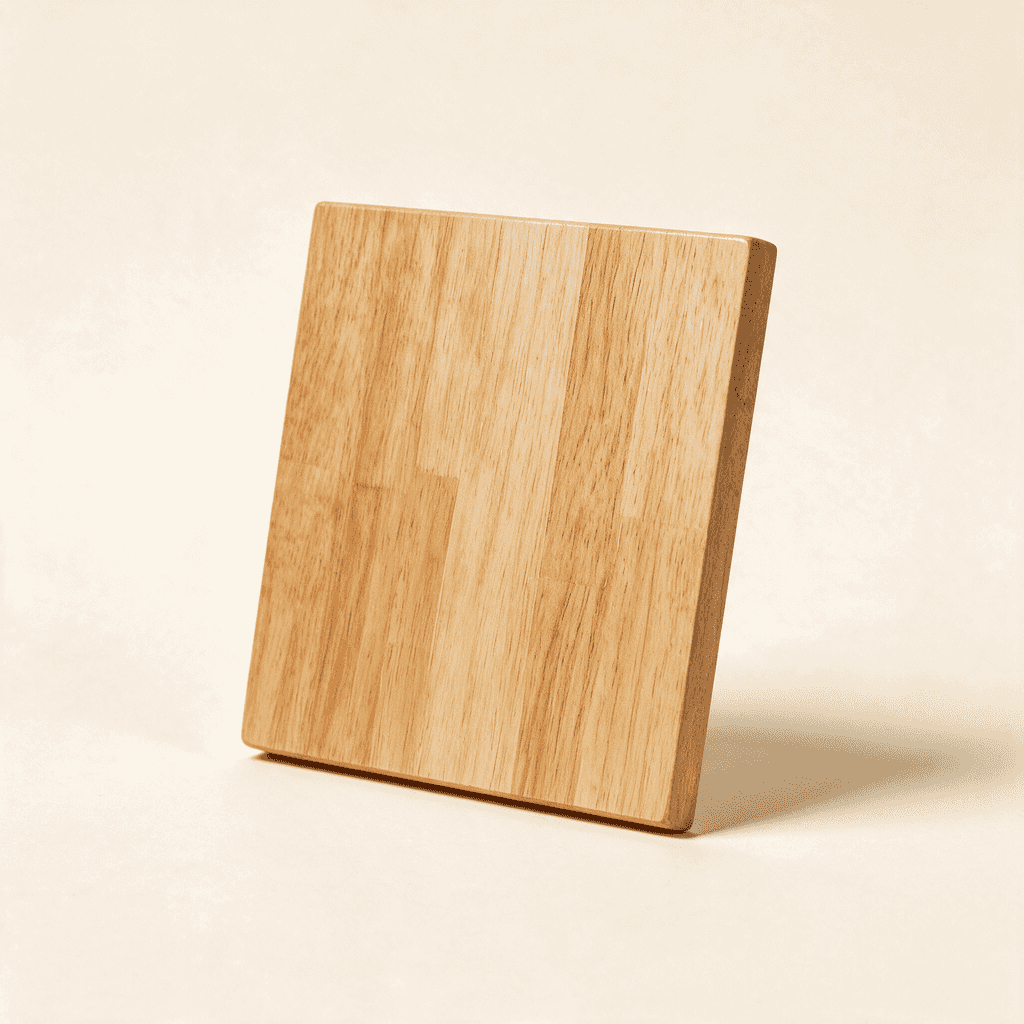
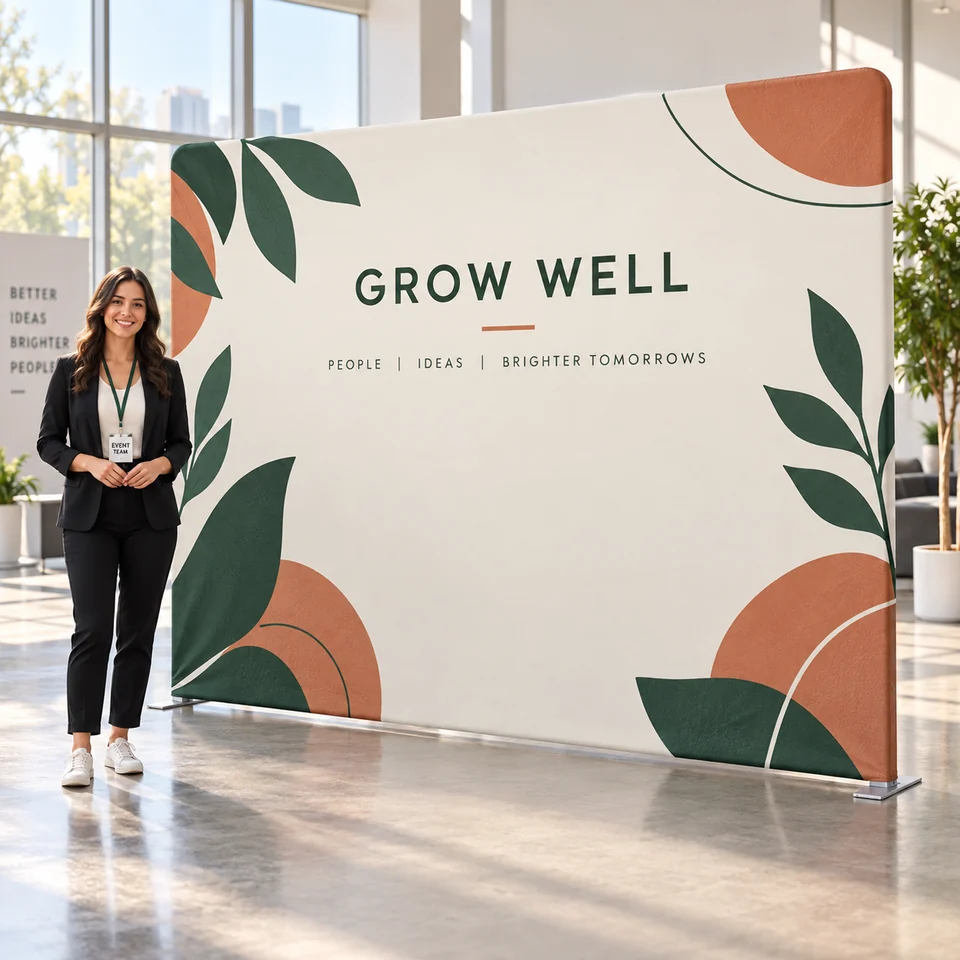
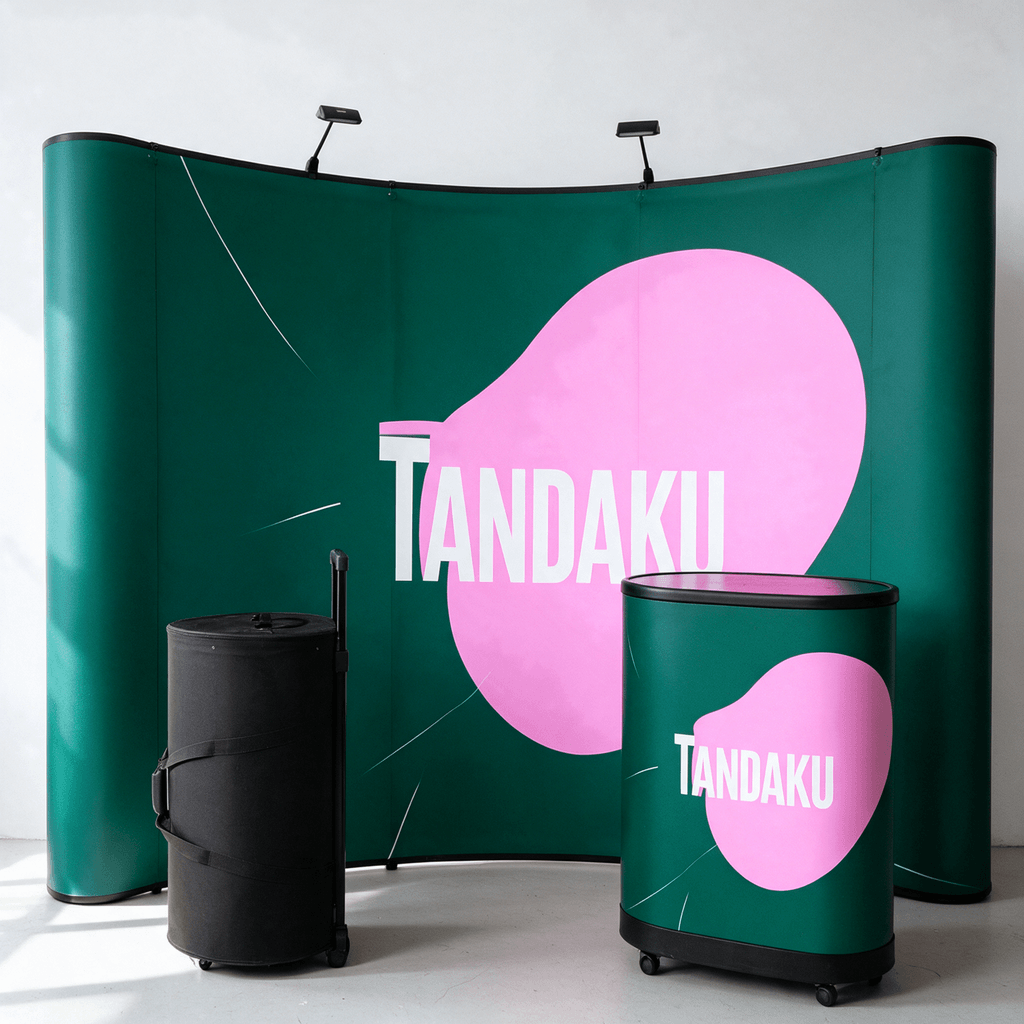
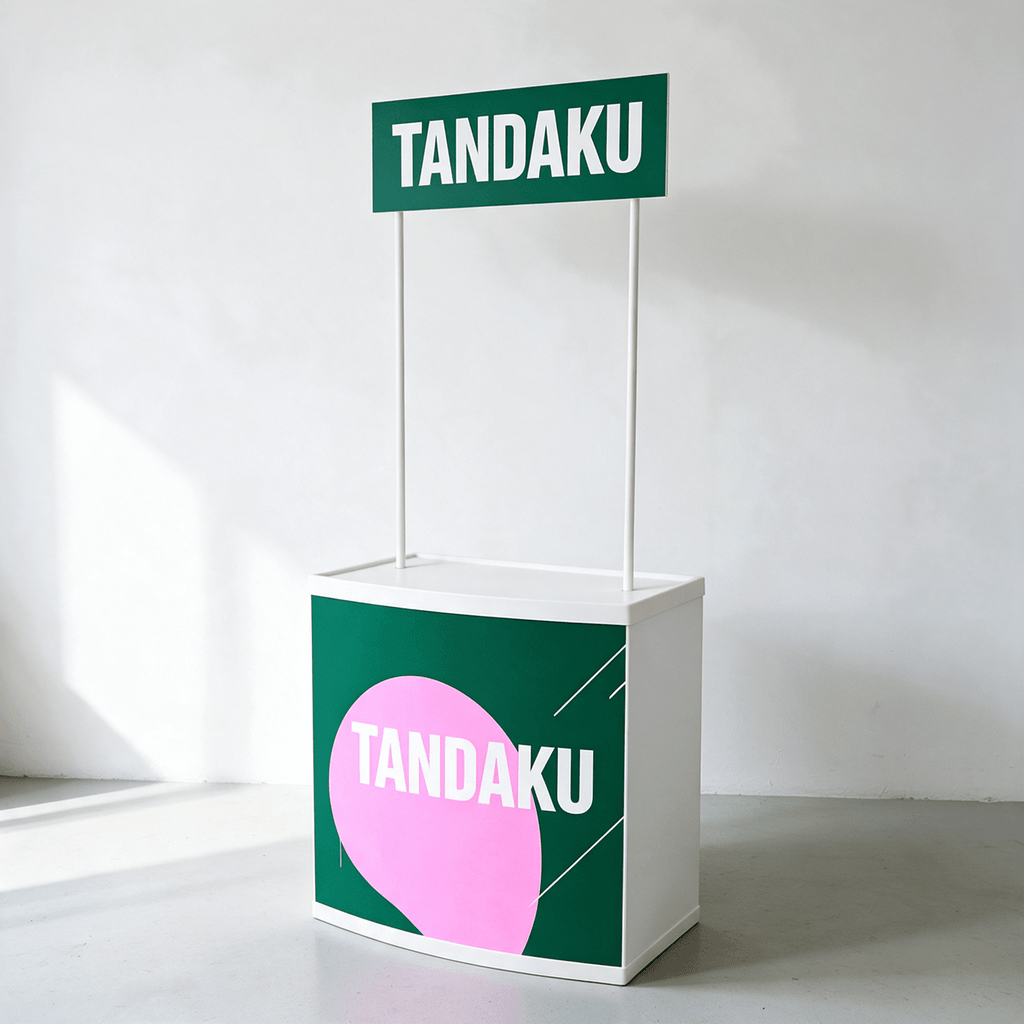
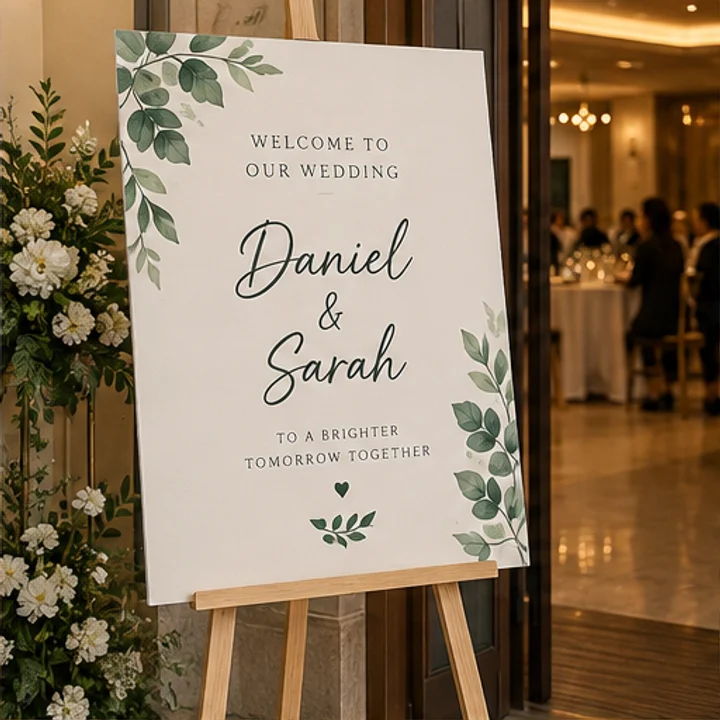
For a short indoor exhibition, tell us whether someone will carry the sign between venues and whether it will sit on a counter or a stand. A lightweight KT board can suit temporary indoor work, but it should be kept dry. Do not specify an outdoor material simply because it sounds more durable if the sign will only be used indoors for a day.
Check the support before ordering. A flat printed panel does not stand by itself. If you already own an easel or holder, measure its opening, shelf or clamps and check that it accepts the proposed board thickness. A photo of the support and its dimensions is more useful than its brand name alone.
2. Menus and service boards: plan for changes
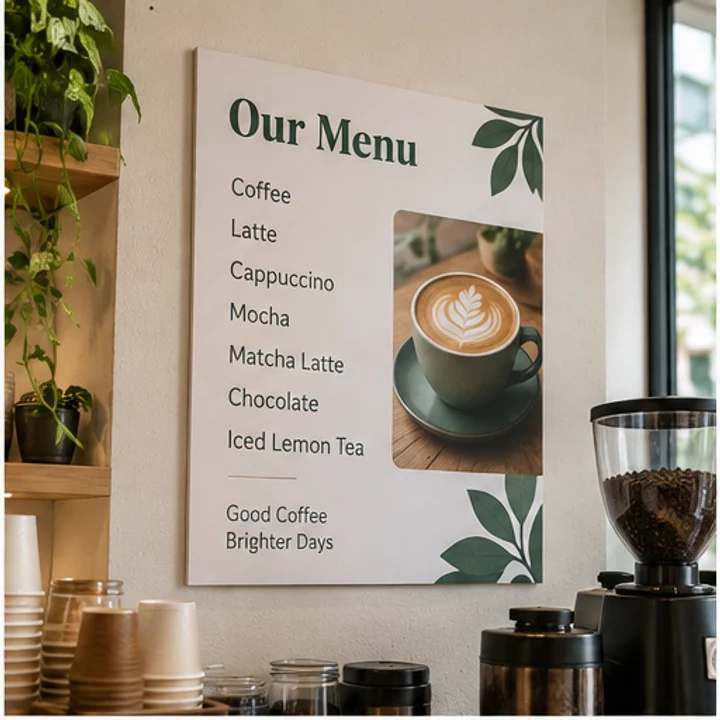
For a menu or service list, ask how soon the information will need updating. Printing a large permanent board makes less sense if prices change every week. Consider whether replaceable smaller panels or a paper insert holder would make updates easier.
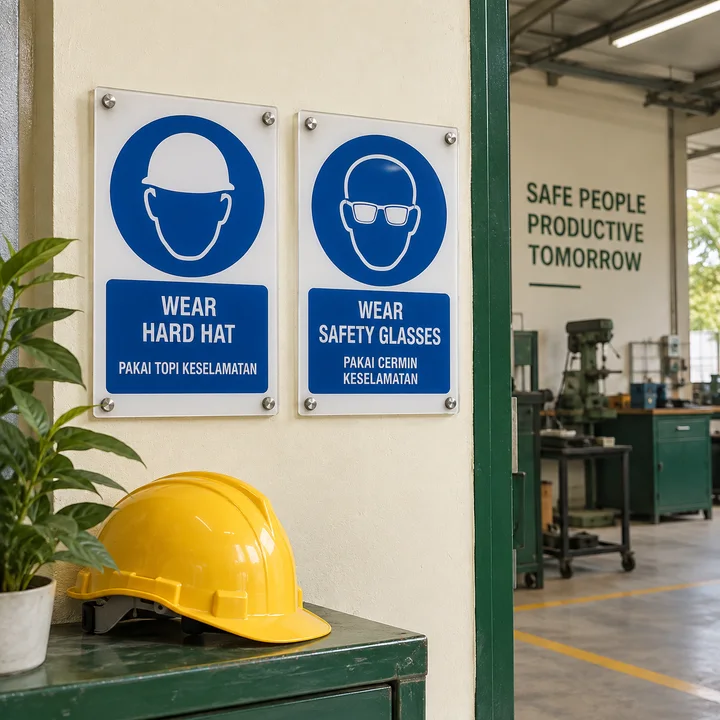
PVC foamboard provides a smooth opaque surface for everyday signs. Choose thickness together with size and support; a thicker edge does not make every unsupported span suitable. Our foam board comparison explains the available options. Keep cleaning conditions in the brief too: “dry reception wall” and “beside a food preparation sink” are different environments.
3. Reception branding: specify the background
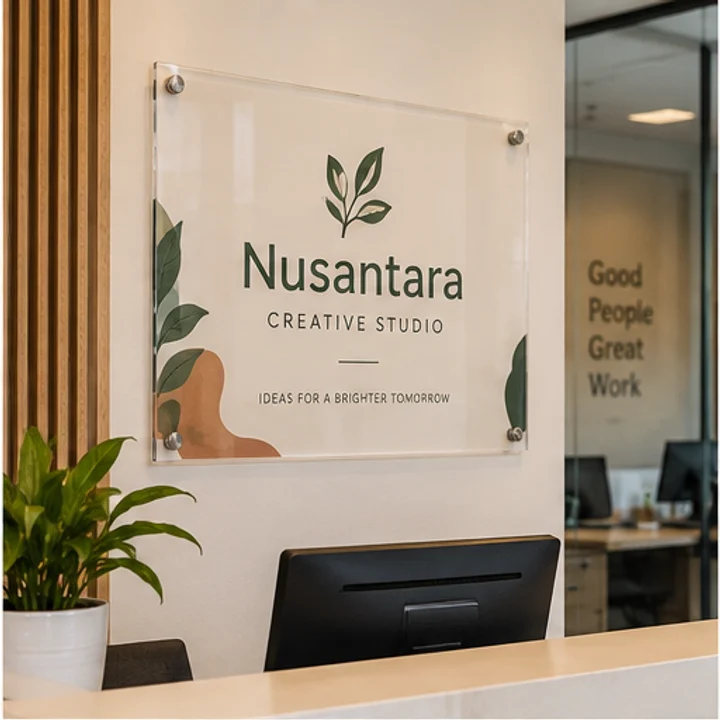
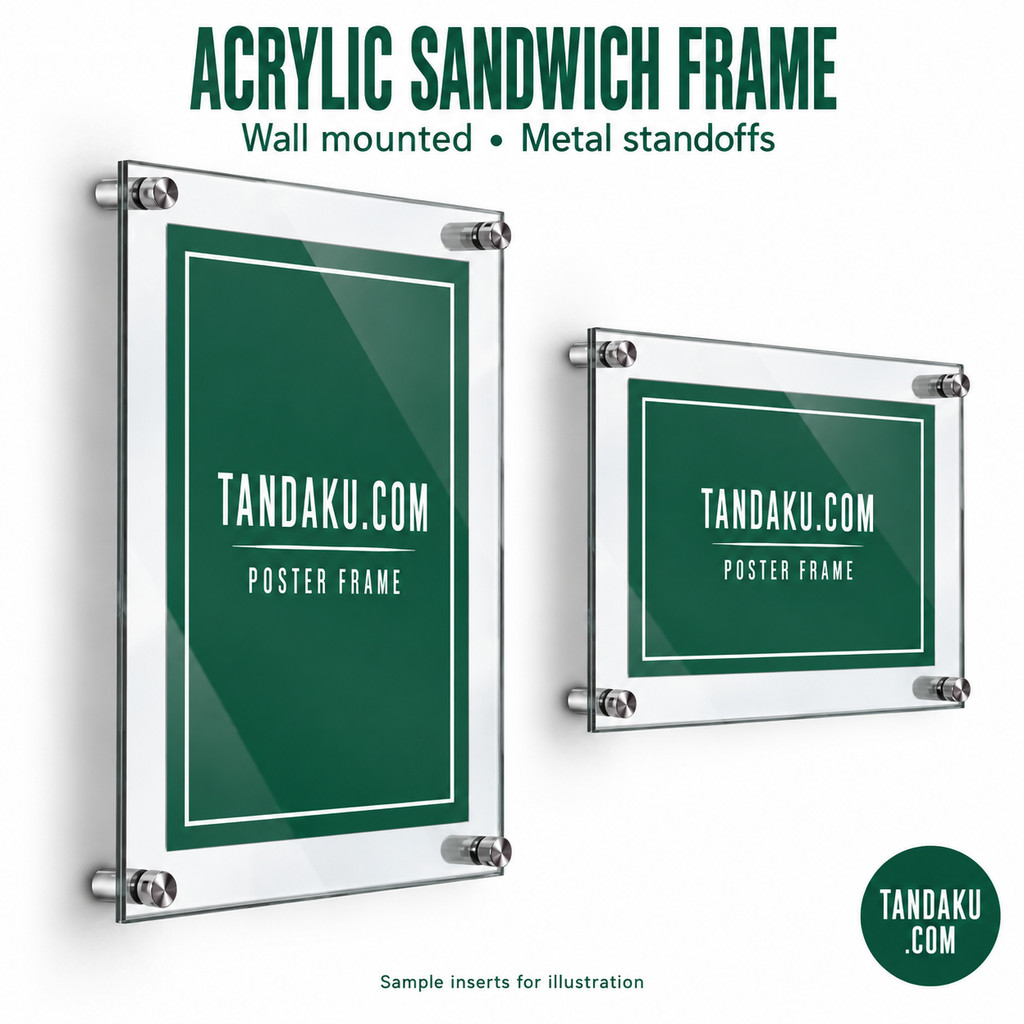
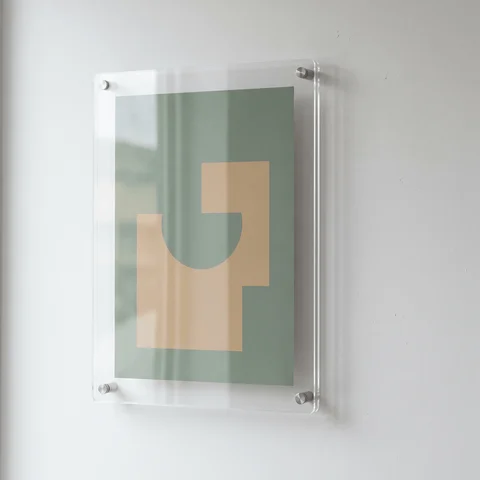
For reception signs, include a photo of the wall in its normal lighting. A dark logo on a pale wall may work differently on patterned tiles or timber. Say whether you want transparent areas, an opaque printed background or another appearance, and confirm the print setup before approval.
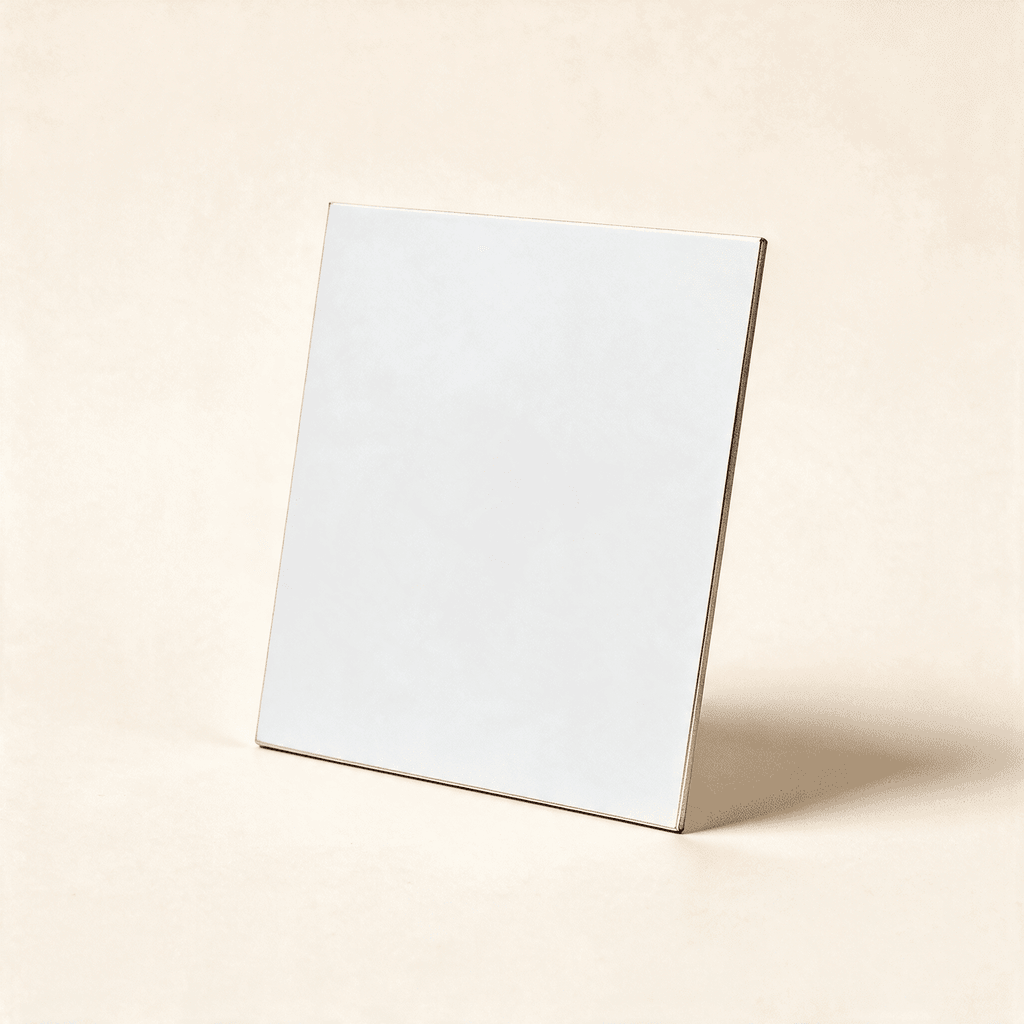
If the glossy look is the reason you are choosing acrylic, visit our 3mm acrylic signboard page. For layout, background and mounting questions, use the 3mm acrylic design checklist. A printed acrylic panel and individually cut acrylic letters are different products; naming the one you want avoids an incorrect comparison.
4. Outdoor panels: describe the installation

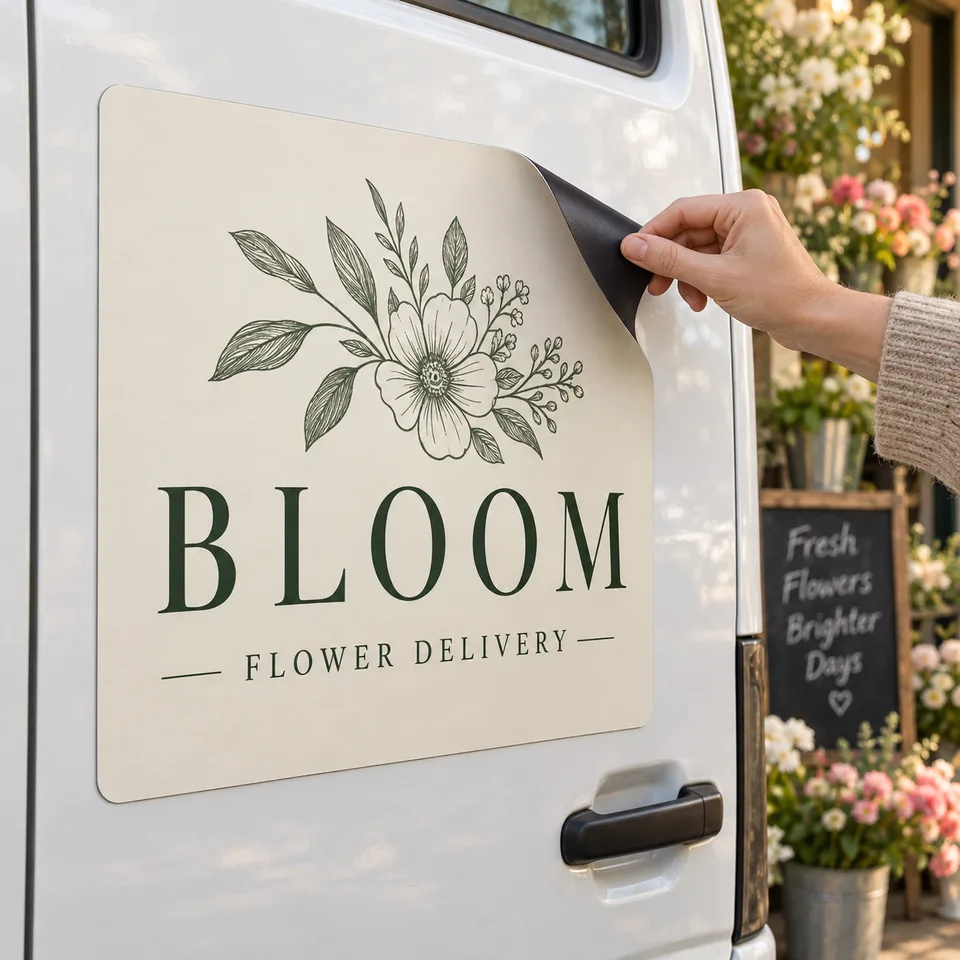
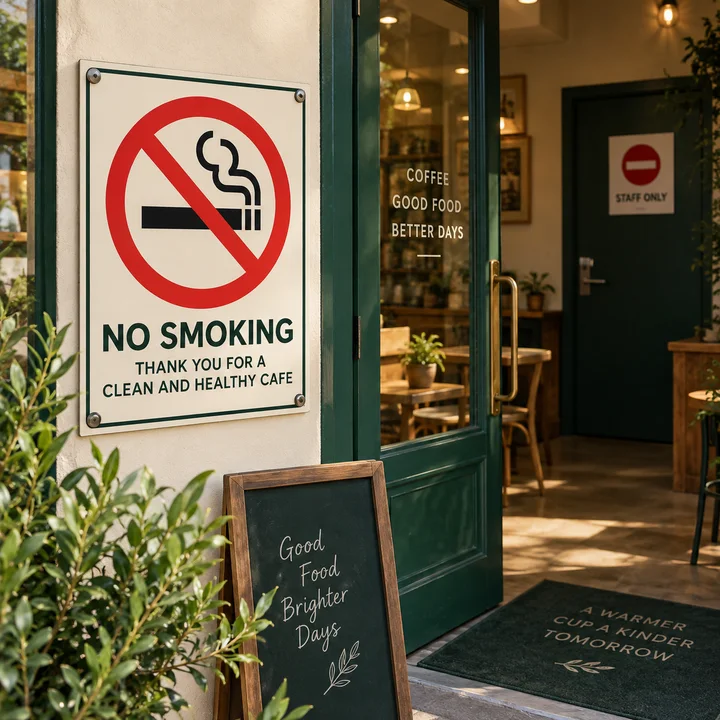
For an outdoor sign, record whether it is fully exposed, under a roof or behind glass. Include the wall or frame material, the approximate installation height and who will handle installation. ACP is a metal-faced panel worth comparing for supported outdoor use, but material choice alone does not determine how the completed sign should be secured.
Do not take the maximum sheet dimensions as a recommendation to mount that size with a particular number of screws. Large or exposed displays need a fixing plan appropriate to the site. If your job also includes a fabricated frame, lighting or installation, ask for those items to be identified separately from printing. For permissions, confirm the requirements for your premises before production; this checklist does not establish approval.
5. Temporary directions: check the decision point
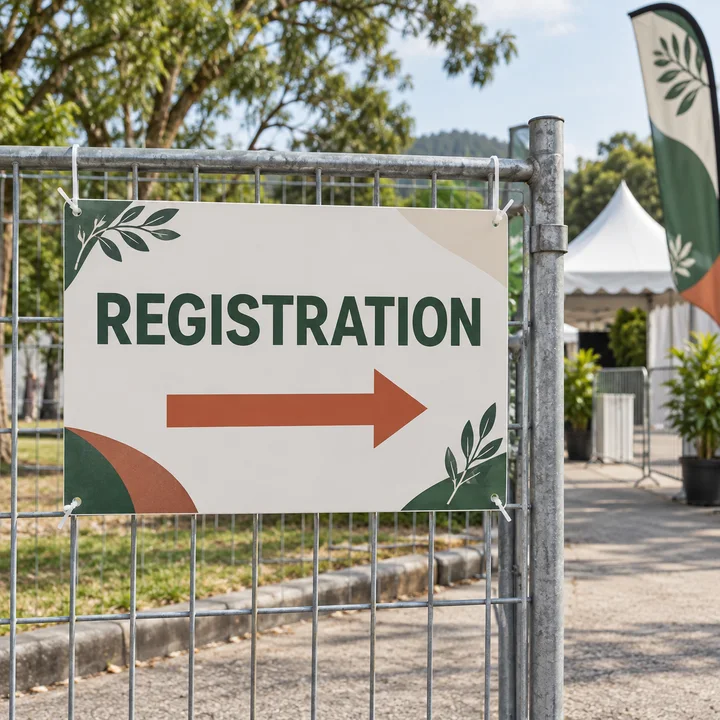
A direction sign has to answer a practical question quickly. Check the approach direction, arrow orientation and the distance at which people need the answer. Walk the route yourself if possible. A beautiful sign installed after the turning point will still fail its job.
Our PP hollow board option uses a printed sticker applied to the corrugated board. The fluted edge and light construction differ from smooth PVC or glossy acrylic. State the quantity for each arrow direction and keep a numbered list of artwork versions so that five signs do not all arrive with the same arrow by mistake.
6. Close-up notices: test the actual information
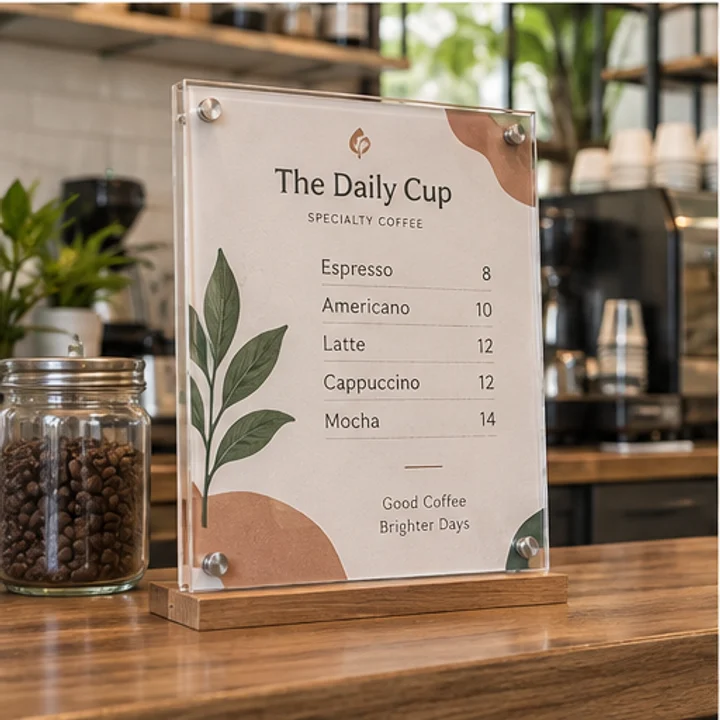
Print a paper proof at the intended size. Check the smallest useful text, phone numbers, opening hours and any QR code using the devices people are likely to have. A QR code that scans on your monitor may behave differently after resizing or when placed behind reflections. Keep a plain-text alternative for essential information.
Have another person check names and numbers. File preflight can identify technical issues, but it cannot know that you intended a different opening time. Mark which file is approved and avoid sending multiple similarly named “final” versions without saying which one should be printed.
Copy this signboard brief
| Field | Example or detail to supply |
|---|---|
| Purpose | Office directory, menu, promotion or directional sign |
| Placement | Wall or support photo; indoor, sheltered or exposed |
| Finished size | Width × height in mm; portrait or landscape |
| Quantity | Number of copies for each artwork version |
| Material | Preferred board and thickness, or ask for a comparison |
| Appearance | Opaque or transparent areas; single or double sided |
| Fixings | Existing holder measurements; holes or mounting selected |
| Artwork | Approved file and exact wording checked |
| Deadline | Required arrival date and installation date |
| Scope | Print only, accessories or separately arranged installation |
For a fair price comparison, keep dimensions, quantity, material, printing sides, finishing and delivery the same. An entry-level “from” price is not the total for a large finished panel. Use the live signboard configurator for your exact selection and compare the listed inclusions.
FAQ
Do I need to know the board material before asking for help?
No. Start with the location, purpose, size and support. Those details make it easier to narrow down a useful material choice than choosing on price or thickness alone.
Is a printed board the same as an installed shop sign?
No. A printed board is a component. Frames, mounting accessories, electrical parts and installation may be separate, so compare the stated scope as well as the price.
When should I use a banner instead?
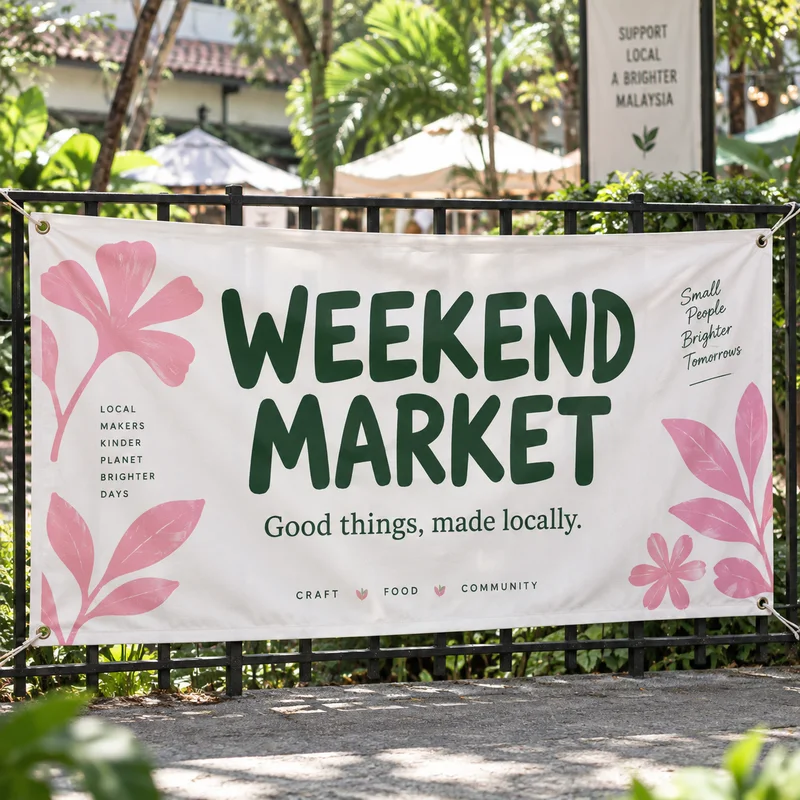
A flexible print can suit a broad temporary message that will be rolled for transport. Review the banner design and finishing checklist and banner options before deciding how to support it.
Order your signboard
Choose your board, enter the finished dimensions and review the available finishing on our signboard printing page. If a fixing, background or installation detail is unresolved, clarify it before approving artwork.