
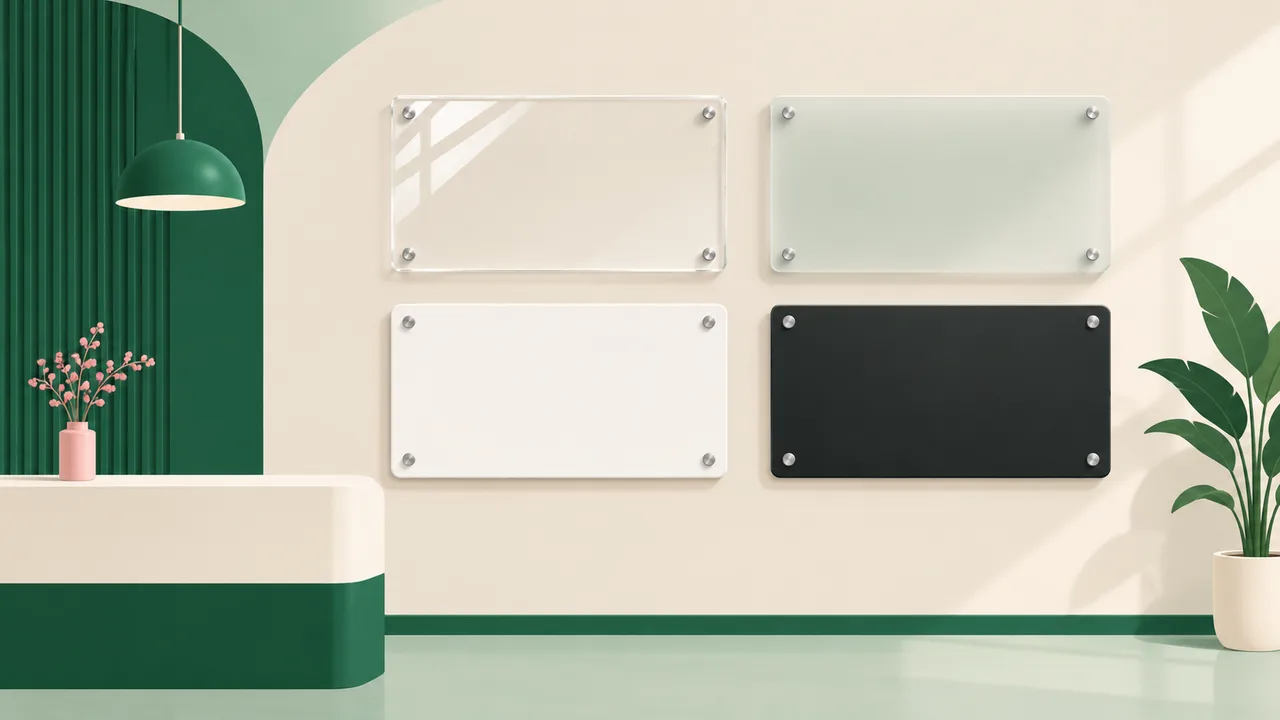
Choose clear acrylic for a glossy, glass-like sign, frosted acrylic for a see-through satin look, and white or black frosted acrylic when you want a coloured base. At Tandaku, clear glossy acrylic is printed on the back, while white and black frosted acrylic are printed on top. Start with the background and finish you want, then choose the thickness and size.
Which acrylic base should you choose?
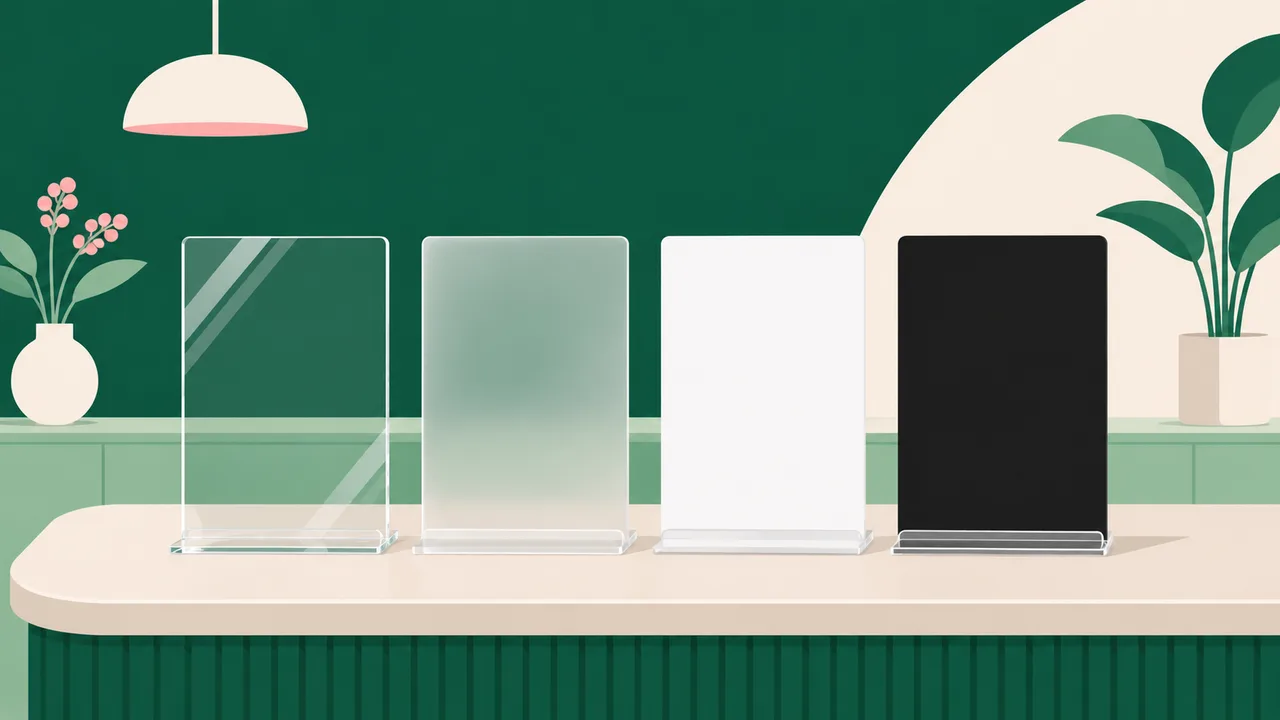
Think about the sign in its actual position. Will it sit against a plain wall, in front of glass or beside a bright window? The background matters most when you want some of the acrylic to remain visible around the design.
Clear glossy acrylic suits a reception or office sign where you want a glass-like surface. Choose it because you like that glossy appearance, rather than because a reference picture happens to show a clear edge. Decide which areas of your own design should look clear before ordering.
Frosted acrylic has a see-through satin appearance. It suits a softer look when you want less glare than a glossy surface. It is different from white frosted acrylic: a frosted finish does not automatically mean a white background.
White frosted acrylic gives the artwork a matte white base. Black frosted acrylic gives it a matte black base. Choose between them by looking at the background your design needs, especially around small wording and pale details.
How does print placement change the finished sign?
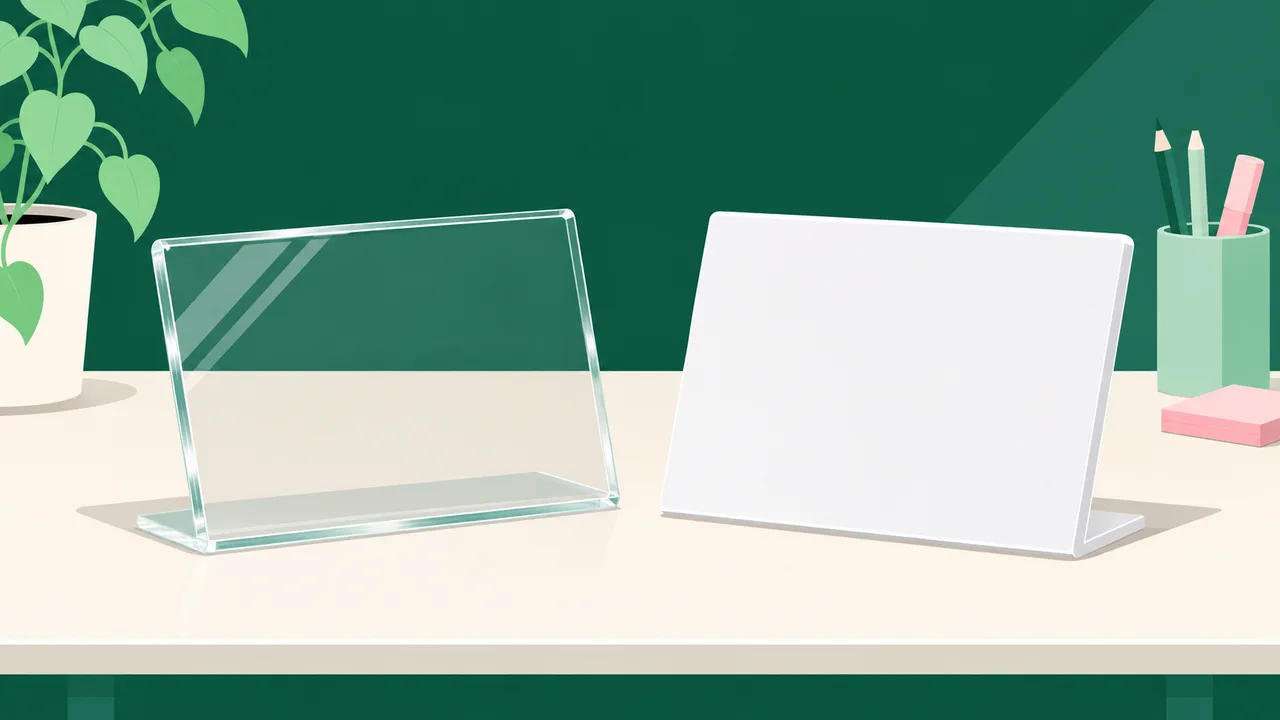
Tandaku's clear glossy acrylic uses clear cast acrylic printed on the back. You view the design through the acrylic from the front, which gives the sign its glass-like appearance.
White and black frosted acrylic are printed on top of their coloured bases. Their surface appearance is matte, so the finished effect differs from looking through a glossy clear panel.
This matters when you send a reference image. A photograph may show a glossy reflection, a white background or a dark wall behind a transparent panel. Those details can make different materials look similar on a screen.
Describe the result you want in words as well as sending the picture. For example, say whether you want a clear border, a satin panel or a solid white background. Ask for the acrylic material to be named in the order so everyone is working towards the same finish.
Will the colour look the same as the picture on your screen?
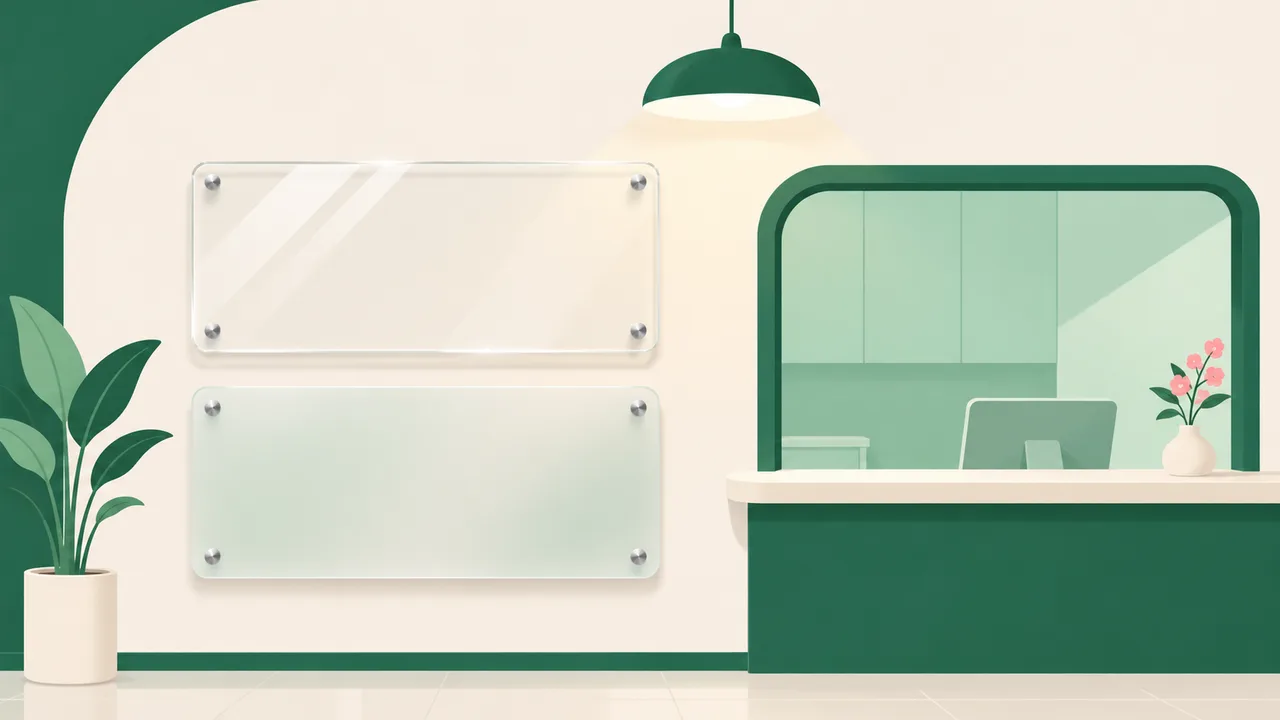
Treat a screen image as a design reference, rather than an exact preview of the finished material. Screens, printed surfaces and room lighting affect how colour looks. A glossy reflection can also change what you notice in a photograph.
Check your artwork against the base you intend to buy. A design prepared on a white background may need a different treatment if you switch to black acrylic or want clear areas around the wording. Do not assume that changing the material leaves every part of the appearance unchanged.
If a brand colour matters, raise that before approving the artwork. State which colour needs attention and provide the original artwork when you have it. A screenshot is less useful for explaining the intended colour than the source design.
Our article on why prints look different from screens explains the effects of material, finish and lighting.
How much do the acrylic options cost?

The following are material rates per square metre, before finishing options and delivery. They are not prices for a complete sign of an unspecified size.
| Acrylic option | Thickness | Appearance | Rate per m² |
|---|---|---|---|
| Clear Acrylic, Glossy | 3mm | Glass-like, printed on the back | RM215.30 |
| Frosted Acrylic | 3mm | See-through satin | RM215.30 |
| White Frosted Acrylic | 3mm | Matte white base, printed on top | RM215.30 |
| Black Frosted Acrylic | 3mm | Matte black base, printed on top | RM215.30 |
| Clear Acrylic, Glossy | 5mm | Glass-like, printed on the back | RM322.90 |
| Frosted Acrylic | 5mm | See-through satin | RM322.90 |
| Clear Acrylic, Glossy | 10mm | Glass-like, printed on the back | RM861.10 |
The listed 3mm options have the same material rate. You can therefore choose between those bases by appearance without assuming that clear acrylic must cost more than white or black acrylic.
A thicker panel has a higher listed rate, but thickness alone does not create the finish you want. Check the panel size and intended support before choosing a thicker sheet. Enter your dimensions on the acrylic sign page to see the exact price for your selected material and options.
When is a cheaper board enough?
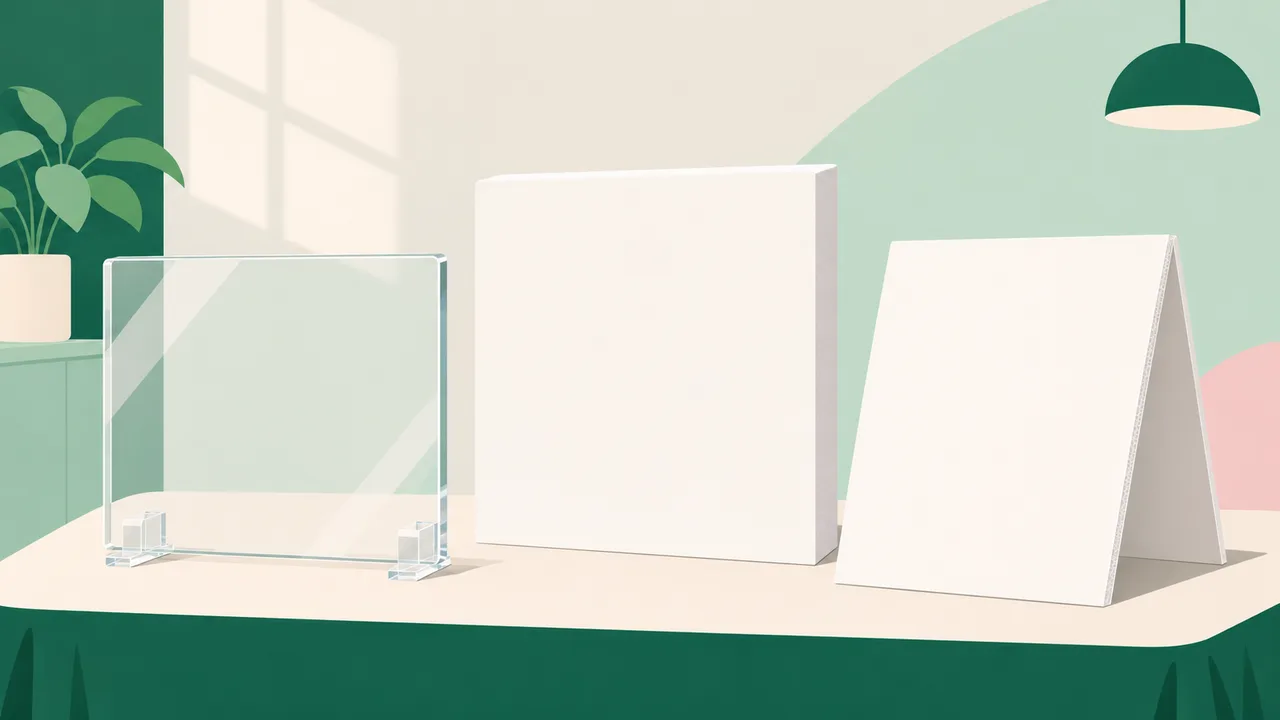
Acrylic is worth considering when its visible edges, transparency or glass-like surface are part of the result you want. If you only need an opaque printed notice, a cheaper board may do the job.
PVC foam board has a smooth matte print and is rigid and waterproof. It is a practical alternative when you want a solid background without the appearance of acrylic. KT board is a budget option for temporary indoor displays, provided it stays dry.
Do not pay for clear acrylic simply because the artwork is a rectangle. Choose the material for the display conditions and appearance that matter to you. The acrylic, ACP and KT board comparison helps when you are still deciding whether acrylic is needed at all.
What should you confirm before ordering?
Write down the material name, thickness, width and height together. Add whether the finished background should look clear, satin, white or black. That short description is more useful than asking for an acrylic sign that looks like a photograph.
Check the design in its intended setting. Look for pale wording against pale surroundings, dark details against a black base and reflections near windows or lights. Keep the main message easy to read before adding decorative details.
Plan how the panel will be supported before finalising the order. For a wall display, read the acrylic sign mounting guide before choosing the panel and fixing arrangement. Tandaku supplies printed signs online; a supply-only order should match the fitting plan you have arranged separately.
Finally, check that the material selected on the product page matches the finish you discussed. Approve the artwork only when its wording, layout and intended background are clear.
FAQ
What are acrylic signs made of?
They are made from acrylic sheet with a printed design. Tandaku offers clear glossy acrylic, see-through frosted acrylic, and white or black frosted acrylic bases. Choose the base by the appearance you want around and behind the artwork.
How are acrylic signs made?
Print placement depends on the selected acrylic. Tandaku's clear glossy acrylic is printed on the back, while white and black frosted acrylic are printed on top. Specify the material rather than relying on the general description of an acrylic sign.
How much do acrylic signs cost?
The listed 3mm clear glossy, frosted, white frosted and black frosted options are RM215.30 per m². Your complete sign price depends on its size and selected options, with delivery separate. Enter the dimensions on the acrylic product page to see the exact configured price.