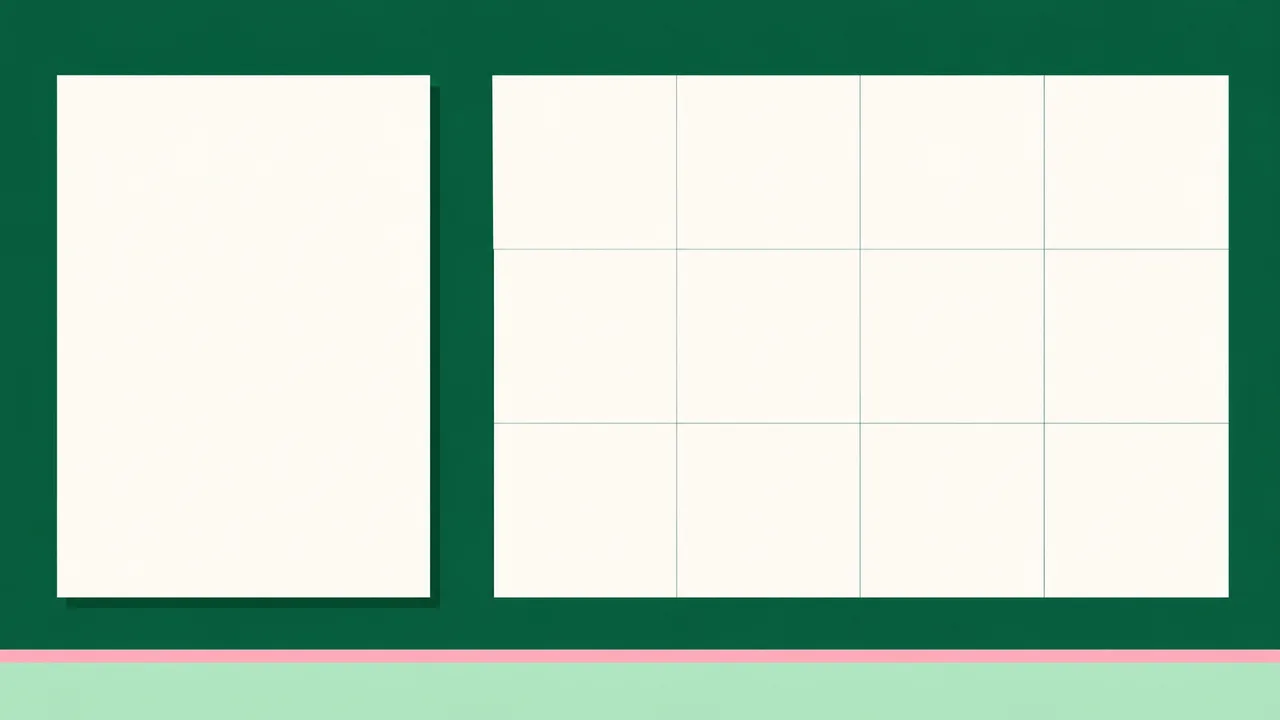
Print a poster at home when it is a draft or temporary notice and visible paper joins are acceptable. Order a continuous printed sheet when the poster needs an uninterrupted photograph, chart or display surface. Choose the finished size first so you can compare the practical result of each method.
When is printing a poster at home enough?
Home printing is useful for checking a layout before you order the finished poster. You can see whether the main message stands out, whether the wording is correct and whether the design fits the space where it will go.
It can also be enough for an informal indoor notice if your printer supports the paper you want to use. There is little reason to order a display material just to check spelling or decide where a photograph should sit.
If the design is larger than your printer can handle, consider whether assembling smaller sheets is acceptable. A temporary planning copy can have visible joins without losing its purpose. A poster intended for a reception wall or conference display may need a cleaner finish.
Check your printer's supported paper sizes and media before buying supplies. A material sold for commercial poster printing should not be assumed suitable for a home printer.
What is poster tile printing, and where do joins show?
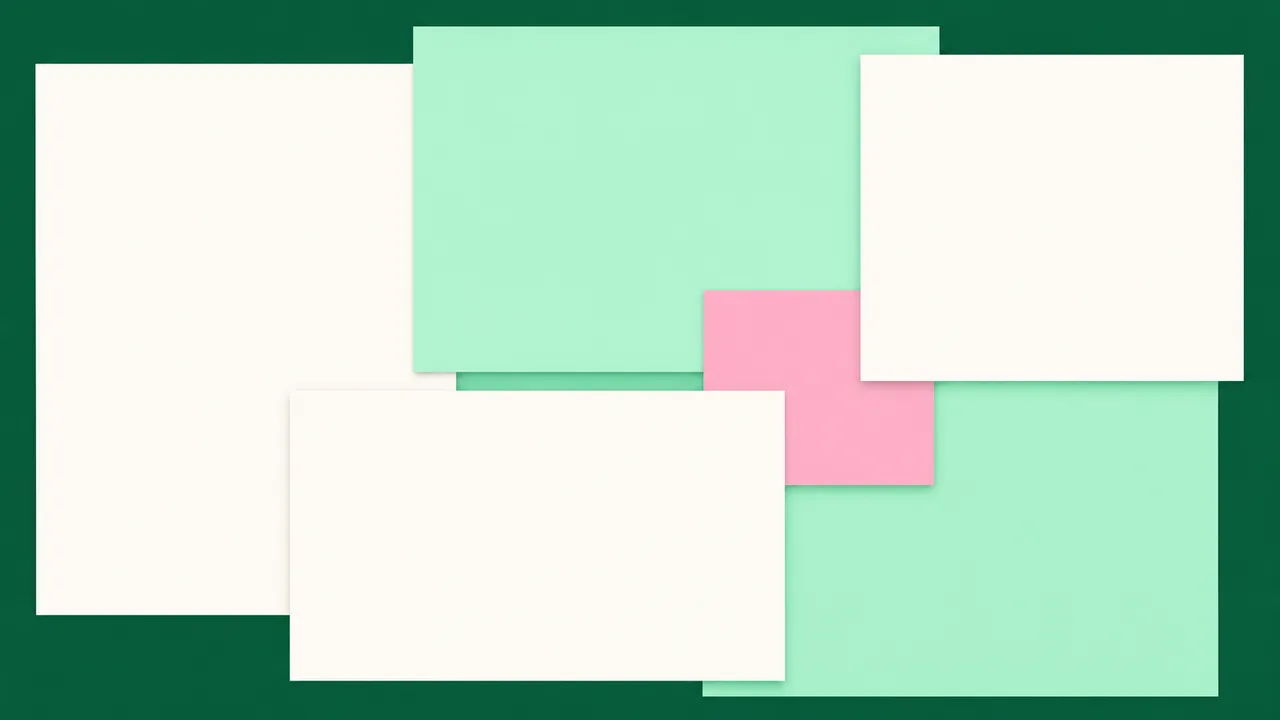
Poster tile printing divides a large design across smaller sheets. You print the sections, arrange them in order and join them to recreate the full poster.
The joins are part of the result. They can cross photographs, lettering or chart lines, depending on where the design is divided. Printer margins can also leave white strips that need trimming or overlapping during assembly.
Lay the sheets out before attaching them. Check that the edges of pictures and lettering line up, and keep the backing surface flat while you work. Attaching each sheet as it leaves the printer makes mistakes harder to spot.
For a layout test, these joins may be perfectly acceptable. For a finished display, look at the design and decide whether a seam through its main image or message would distract the reader. Ordering a continuous sheet avoids assembling the image from separate pages.
How do you check a PDF before printing at home?
Open the PDF and check its page dimensions against the size you want on the wall. A document that looks large on screen can still have a small page size.
Then decide whether you want a reduced copy on a sheet your printer supports or a tiled copy at the intended finished size. These produce different results. A fit-to-page setting reduces the whole design, while a tiling setting, where available, spreads it across pages.
Use the print preview to check the orientation, page divisions and any blank margins. Read the labels in your PDF application's print settings rather than assuming every application uses the same controls.
Print a section containing small text or an important image before committing to the whole job. Check for missing lettering, awkward cropping and unreadable detail. If the source picture is blurry, return to the original design or image before enlarging it.
For file preparation beyond a home test, use our large-format artwork checklist.
When should you order a single-sheet poster?
Order a continuous sheet when assembling pages would interfere with how the poster is read or displayed. This is especially useful for a large photograph, a detailed diagram or a presentation poster that people will examine closely.
Tandaku's poster range includes synthetic paper, satin fabric and canvas. You enter the required dimensions on the poster printing page, select the material and see the exact price before ordering.
Choose the size from the intended display space or the venue's requirements. Do not enlarge a design simply because a larger option is available: check whether its smallest text and images still work at the chosen size.
If you are unsure which paper-size name matches your requirement, see the poster sizes and prices guide. Keep the final dimensions beside your artwork so the file and the order describe the same finished poster.
Which poster material is enough for the job?
Start with what the poster needs to do. Synthetic paper is the lower-priced choice in this poster range and has a smooth matte surface. Satin is useful when being able to fold the poster into a bag matters. Canvas gives artwork a woven texture.
| Poster material | Surface or handling | Approximate price per square foot |
|---|---|---|
| Synthetic Paper · 260gsm | Smooth matte, tear-proof and waterproof | RM2.10 |
| Satin Fabric · 110gsm | Soft silky sheen; folds into a bag | RM2.34 |
| Canvas Fabric · 280 micron | Woven texture for art and décor | RM8.00 |
These are material rates before options and delivery. Use the product page for the exact price at your selected size.
For a straightforward display where you want a smooth surface, synthetic paper can be enough. Choose satin for its handling or canvas for its texture when those features serve the job. There is no need to pay for a textured material just to check a layout.
What should you confirm before ordering?
Match the artwork to the finished width, height and orientation in your order. Check the complete design, then inspect names, dates, prices and small text separately. A full-page view can hide a typo that becomes obvious on the wall.
Use the original exported artwork rather than a screenshot of the editor. Open the exported file and check that pictures and lettering appear as intended. If a home test revealed a problem, correct the source design before exporting again.
Also decide how the poster will be supported. A flexible sheet needs a suitable display arrangement; choosing a poster material does not resolve that decision for you. If you already have a frame, follow the poster frame fit guide before setting the order dimensions.
Finally, check the selected material, quantity, options and delivery charge on the order page. Compare the finished result you need with the home-printed version: if a simple draft already does the job, you can stop there.
FAQ
Can I print posters at home?
Yes, if your printer supports the paper and size you plan to use. For a larger design, tiled printing may be an option in your PDF application. Expect to assemble the sheets and accept visible joins.
What is poster tile printing?
It means dividing a large poster across smaller printed pages and joining them afterwards. It is useful for a draft or temporary display when seams are acceptable. Check where the page divisions cross the design before printing.
How to poster print a PDF?
Check the PDF's page dimensions, then choose either a reduced copy or a tiled print in an application that supports tiling. Inspect the preview for orientation, margins and page divisions. Print a test section before printing every page.
How much does it cost to print a poster?
Tandaku's Synthetic Paper · 260gsm rate is RM22.60 per square metre, approximately RM2.10 per square foot. The exact price depends on your selected size, material and options, with delivery checked separately. Enter your dimensions on the poster page to see the configured price.